October 19, 2026
Fall Leaf Cleanup in Topeka, KS: Mulch, Remove, or Leave the Leaves?
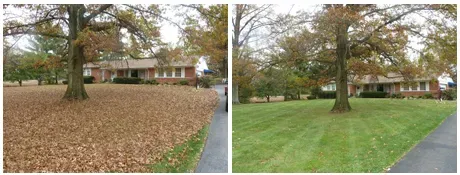
Every fall, homeowners around Topeka face the same question.
What should I do with all these leaves?
Some people rake and remove every leaf. Others mulch everything into the lawn. And some prefer to leave fallen material in landscape beds through winter.
So which approach is best?
The answer depends on where the leaves are, how much material has accumulated, and what you're trying to protect.
A moderate amount of shredded leaves can benefit your lawn. Too many leaves left sitting on the grass can cause problems. And in certain landscape areas, leaving some natural material can actually be beneficial.
At YardCrafters, we believe a good fall cleanup should accomplish more than making a property look tidy.
It should help protect the lawn, maintain the landscape, and prepare the property for the next growing season.
Here's how to decide what belongs where.
THE QUICK ANSWER
Mulch moderate amounts of leaves into healthy turf when practical.
Remove excessive accumulation that could smother the grass.
Use shredded leaves in appropriate planting areas.
Keep leaves and debris out of storm drains and drainage channels.
1. When Should You Mulch Leaves Into Your Lawn?
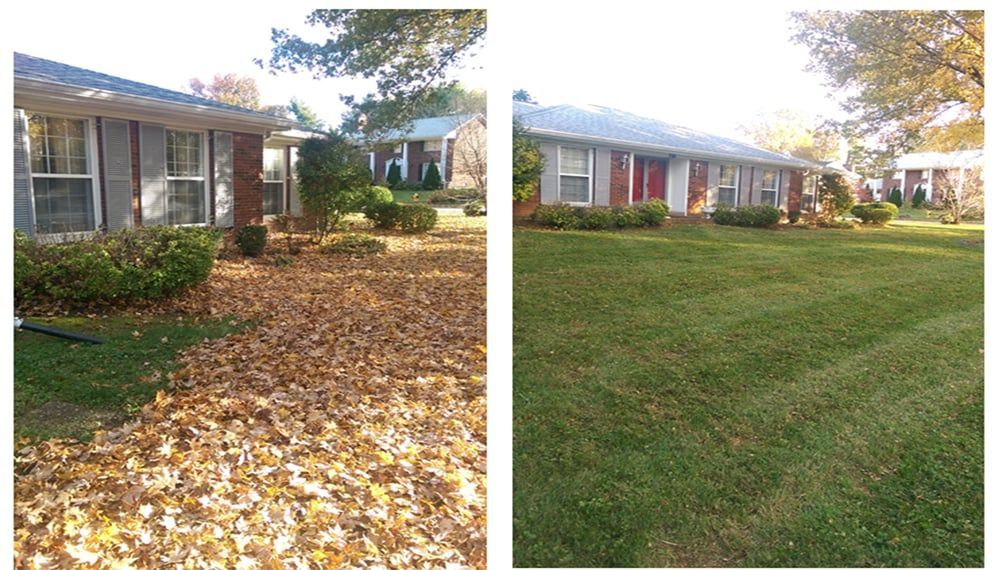
Mulching leaves into the lawn can be an effective way to manage moderate leaf accumulation.
When a mower shreds leaves into sufficiently small pieces, the material can settle between the grass blades and gradually decompose.
This returns organic material to the soil and reduces the amount of debris that needs to be collected and hauled away.
Kansas State University Research and Extension recommends mowing leaves frequently enough that they don't form a thick layer over the turf.
The important consideration is whether the shredded material can settle into the lawn without covering the grass excessively.
If you can still see the turf clearly and the leaves are being shredded into small pieces, mulching may be appropriate.
But if the mower leaves thick piles of shredded material sitting on top of the grass, it's time to consider removing some of it.
Mulching works best when leaf accumulation is manageable and the shredded material doesn't smother the turf.
2. When Are There Too Many Leaves to Mulch?
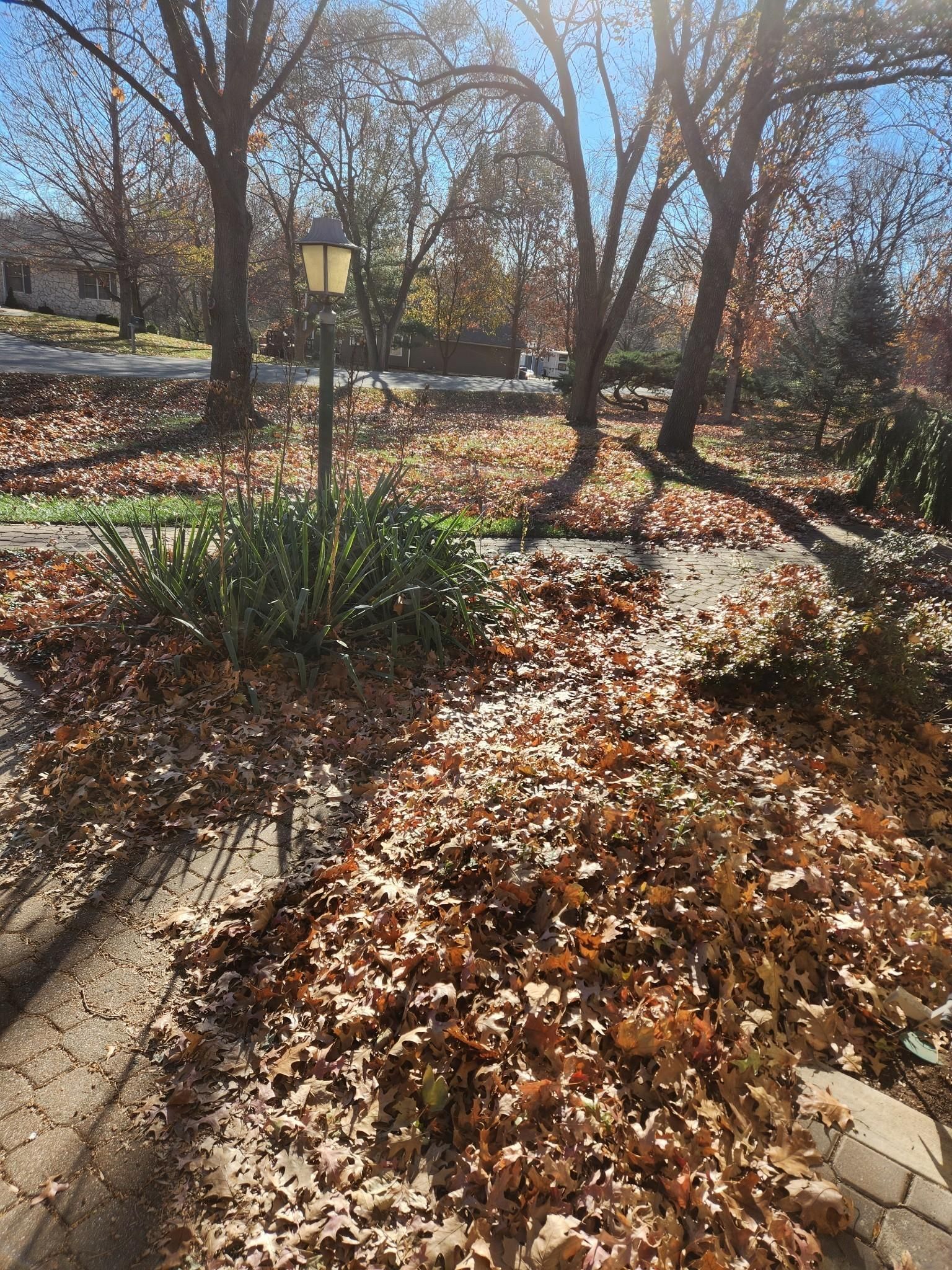
A few scattered leaves aren't a problem.
A thick layer of leaves sitting on the lawn for an extended period is different.
Grass still needs sunlight during fall.
When heavy leaf accumulation covers the turf, it can interfere with photosynthesis and prevent the grass from storing the energy it needs heading into winter.
Wet, matted leaves can make the problem worse.
This is especially important for cool-season lawns, including the tall-fescue lawns common throughout Northeast Kansas.
If leaves are accumulating faster than they can be effectively mulched, removing some or all of the excess material may be the better option.
Homeowners should pay particular attention to areas beneath large trees, low spots where leaves collect, and sections of lawn that receive heavy leaf accumulation year after year.
The goal isn't to remove every leaf. It's to prevent excessive leaf coverage from damaging the lawn.
3. Mulch, Remove, or Leave? A Simple Decision Guide
What you're seeing
Light leaf coverage on turf
Heavy, matted leaf coverage
Leaves in suitable planting areas
Leaves blocking drainage
Leaves mixed with unwanted
debris
Recommended approach
Mulch when practical
Remove excess material
Consider leaving or shredding
Remove
Evaluate and clean appropriately
Why
Allows shredded leaves to decompose
Prevents turf from being smothered
Can provide mulch and habitat benefits
Helps maintain drainage capacity
Improves appearance and maintenance
Every property is different.
A lawn with a few small ornamental trees may require a completely different approach from a property surrounded by large mature trees.
Likewise, a formal landscape bed beside the front entrance may need a different level of cleanup than a naturalized planting area along the back property line.
The best approach balances lawn health, appearance, maintenance needs, and the homeowner's preferences.
4. What Should You Do With Leaves in Landscape Beds?

Landscape beds require a slightly different approach from turf.
In some planting areas, a moderate layer of shredded leaves can help protect the soil and provide organic material as it decomposes.
But that doesn't mean every landscape bed should be left untouched.
Leaves can accumulate heavily around shrubs, collect in decorative rock, cover smaller plants, or become mixed with weeds and other debris.
Formal landscape beds may also require more selective cleanup to maintain their intended appearance.
The appropriate approach depends on the plants, materials, drainage, and how the area is used.
For example, a naturalized perennial bed may benefit from retaining some leaf litter.
A decorative-rock bed beneath a large tree may require periodic cleaning to prevent excessive debris accumulation.
Landscape beds should be maintained according to their purpose—not all treated exactly the same way.
5. Should Everything Be Cut Back Before Winter?
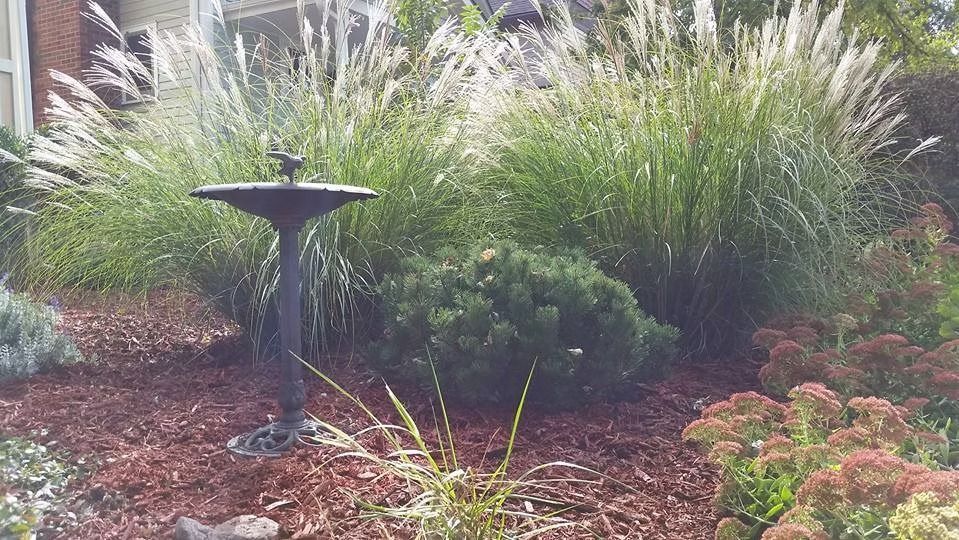
Fall cleanup doesn't always mean cutting every perennial down to the ground.
Some standing stems and plant material can provide overwintering habitat for beneficial insects.
Seed heads may also provide food for birds.
That doesn't mean every plant should be left standing.
Diseased material, damaged growth, invasive plants, and vegetation interfering with access or drainage may require removal.
Different perennial species also have different maintenance requirements.
A thoughtful fall cleanup considers which plants benefit from being left alone and which areas need attention.
For homeowners who want to support pollinators, retaining selected stems and leaf litter in appropriate locations can be part of a practical landscape-maintenance plan.
GOOD LANDSCAPING DOESN'T HAVE TO LOOK STERILE
A property can be attractive, maintained, and intentional without removing every piece of natural material.
The goal is to make informed decisions about what should stay and what should go.
6. Keep Leaves and Debris Out of Drainage Areas

Leaves don't only affect lawns and landscape beds.
They can also create problems when they accumulate in drainage areas.
Leaves and other debris can obstruct surface drains, drainage channels, and stormwater infrastructure.
That's one reason homeowners should avoid blowing leaves into the street or nearby storm drains.
Shawnee County specifically encourages residents to keep grass clippings and other debris out of stormwater drainage systems.
During fall, it's worth checking whether leaves are collecting around drainage inlets, low spots, and other areas where water needs to move freely.
If water regularly collects in the same location, the property may have a larger drainage or grading issue that requires evaluation.
Removing leaves can restore a blocked drainage path, but it won't necessarily correct an underlying grading problem.
Good fall maintenance includes protecting the paths water needs to follow.
7. When Does Professional Fall Cleanup Make Sense?
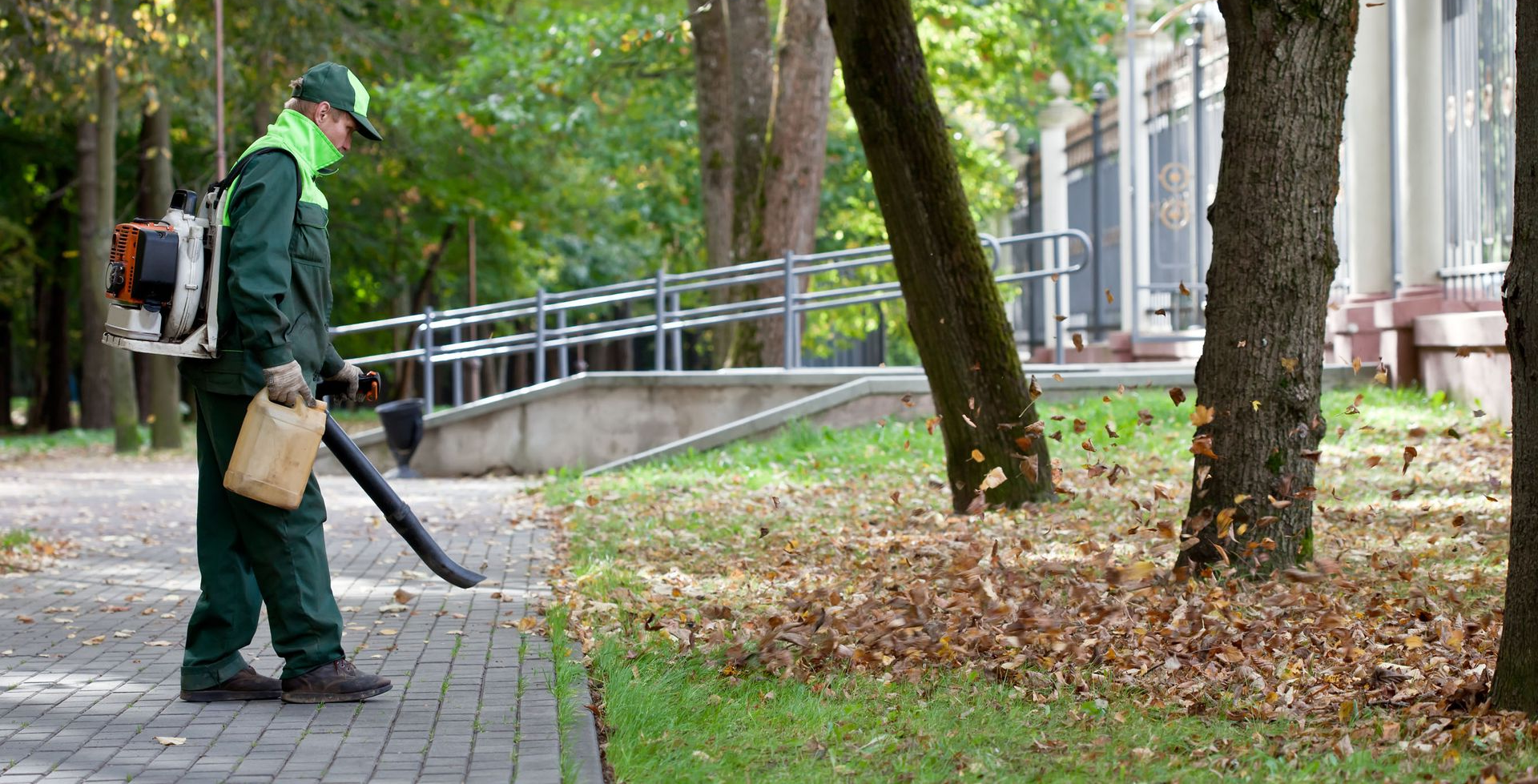
Some homeowners can manage their fall cleanup with a mower and a little extra time.
Other properties require considerably more work.
Large mature trees, extensive landscape beds, difficult access, overgrown planting areas, and heavy debris accumulation can make fall maintenance time-consuming.
Professional cleanup may also make sense when several types of work need attention at the same time.
A property might benefit from leaf management, landscape-bed cleanup, selective pruning, edging, and removal of accumulated debris.
During that process, homeowners may also discover areas where the landscaping itself needs improvement.
At YardCrafters, we handle both seasonal landscape maintenance and larger property improvements.
That allows us to help homeowners evaluate what can be addressed through maintenance and what might benefit from a future renovation.
Frequently Asked Questions About Fall Leaf Cleanup in Kansas
Is it better to mulch leaves or remove them in Kansas?
Mulching moderate amounts of leaves can benefit the lawn when the material is shredded finely enough to settle between grass blades. Heavy leaf accumulation should be managed so it doesn't block sunlight or smother the turf.
Can too many leaves kill grass?
A thick layer of leaves can reduce sunlight reaching the grass and interfere with photosynthesis. Extended heavy coverage may weaken turf heading into winter.
Should I remove leaves from flower beds?
Not necessarily. Some planting areas benefit from retaining leaf litter or shredded leaves. Other beds may need cleanup because of excessive debris, plant health concerns, or maintenance requirements.
Should I cut back all my perennials in the fall?
No. Some perennial stems and seed heads can provide wildlife benefits through winter. Pruning and cleanup decisions should account for the plant species, plant condition, and landscape objectives.
Can leaves cause drainage problems?
Yes. Leaves and debris can obstruct drainage inlets, channels, and other stormwater pathways. Homeowners should keep debris out of storm drains and address recurring drainage problems appropriately.
Does YardCrafters offer fall leaf removal in Topeka?
Yes. YardCrafters provides leaf removal, landscape cleanup, and other seasonal maintenance services in Topeka and surrounding Northeast Kansas communities. Services and scheduling depend on the property's needs and current production availability.
Need Help Getting Your Property Ready for Winter?
A good fall cleanup can involve more than collecting leaves.
YardCrafters helps homeowners throughout Topeka and Northeast Kansas with leaf removal, landscape-bed cleanup, seasonal maintenance, and larger outdoor improvements.
Whether you need a one-time project or want to discuss ongoing maintenance, we'd be happy to evaluate your property and explain the available options.
📞 (785) 608-2970
🌐
www.yardcraftersks.com
📧
yardcraftersoftopeka@gmail.com
📍 Serving Topeka & Northeast Kansas Since 2016
About YardCrafters
YardCrafters LLC is a locally owned landscaping and outdoor improvement company serving Topeka and Northeast Kansas since 2016.
Owner Ian Robbins and the YardCrafters team help homeowners improve their properties through landscape maintenance, cleanup, installation, retaining walls, patios, drainage, grading, and lawn care.
Our mission is to honor God by utilizing the talents we've been given to serve our neighbors while beautifying their outdoor spaces.
Image: Genuine YardCrafters logo or actual team photograph. Do not recreate the logo.
Related content — place immediately beneath the author section: