November 23, 2026
Should you choose rock or mulch for your Topeka landscape beds? Compare maintenance, weeds, drainage, appearance, and long-term costs.
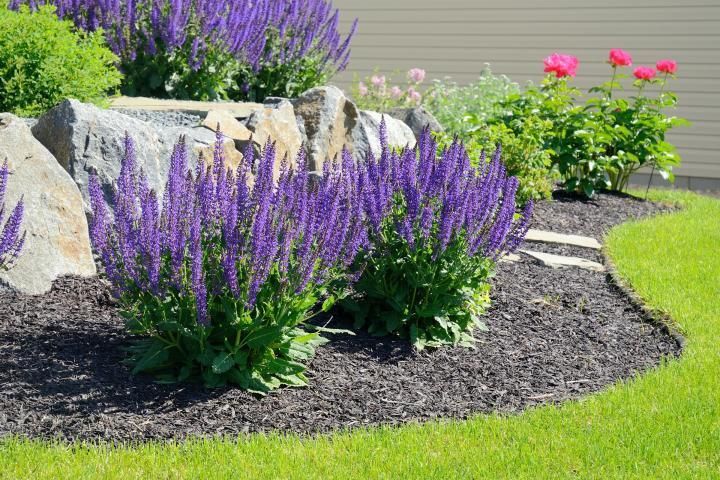
One of the most common questions homeowners ask when updating their landscaping is surprisingly simple:
Should we use mulch or decorative rock?
Both can look great. Both can help define landscape beds. And both have advantages depending on the property.
But they also perform differently.
Mulch breaks down over time and contributes organic matter to the soil. Decorative rock generally lasts longer as a material, but it can accumulate leaves, soil, and weeds, and it doesn't eliminate landscape maintenance.
For homeowners in Topeka and Northeast Kansas, choosing between the two should involve more than deciding which color looks better beside the house.
Sunlight, drainage, plant selection, maintenance preferences, installation costs, and future changes all play a role.
Here's how to compare rock and mulch before investing in a new landscape or renovating an existing one.
THE QUICK ANSWER
Mulch is often a good choice for planted landscape beds where soil health and moisture conservation are important.
Decorative rock can be a durable option for selected beds and areas where a homeowner prefers the appearance and is comfortable with the associated maintenance.
Neither material is completely maintenance-free. The better choice depends on how the landscape is designed and used.
1. When Does Mulch Make the Most Sense?
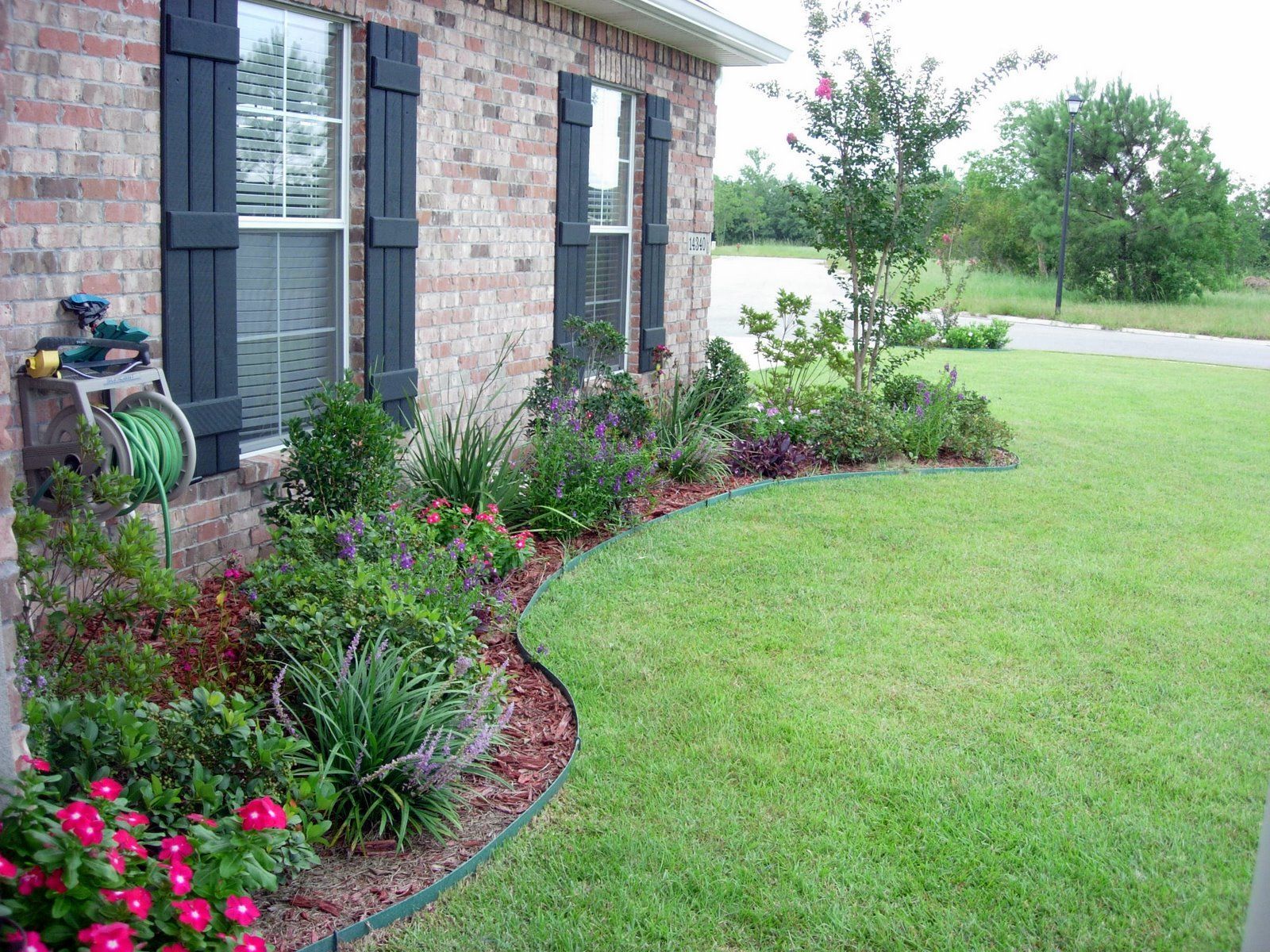
Organic mulch is a popular choice for planting beds because it serves several purposes beyond appearance.
It covers exposed soil, helps conserve moisture, reduces temperature fluctuations at the soil surface, and gradually decomposes.
As it breaks down, it can contribute organic material to the landscape.
This can be especially useful around trees, shrubs, and perennials.
However, mulch doesn't last indefinitely.
Over time, it fades, settles, and decomposes. Depending on the material, location, and weather, it may need to be replenished.
Mulch can also move during heavy runoff when a landscape bed has drainage or grading problems.
A good mulch installation should account for the plants, soil conditions, depth, and surrounding grade.
More material isn't automatically better.
Excessive mulch piled against a tree trunk or the base of a plant can create problems rather than prevent them.
Low-Maintenance Landscaping Ideas That Actually Work in Topeka
2. When Is Decorative Rock the Better Option?
Decorative rock provides a different appearance and maintenance profile from organic mulch.
Unlike mulch, stone does not decompose and need replacing for that reason.
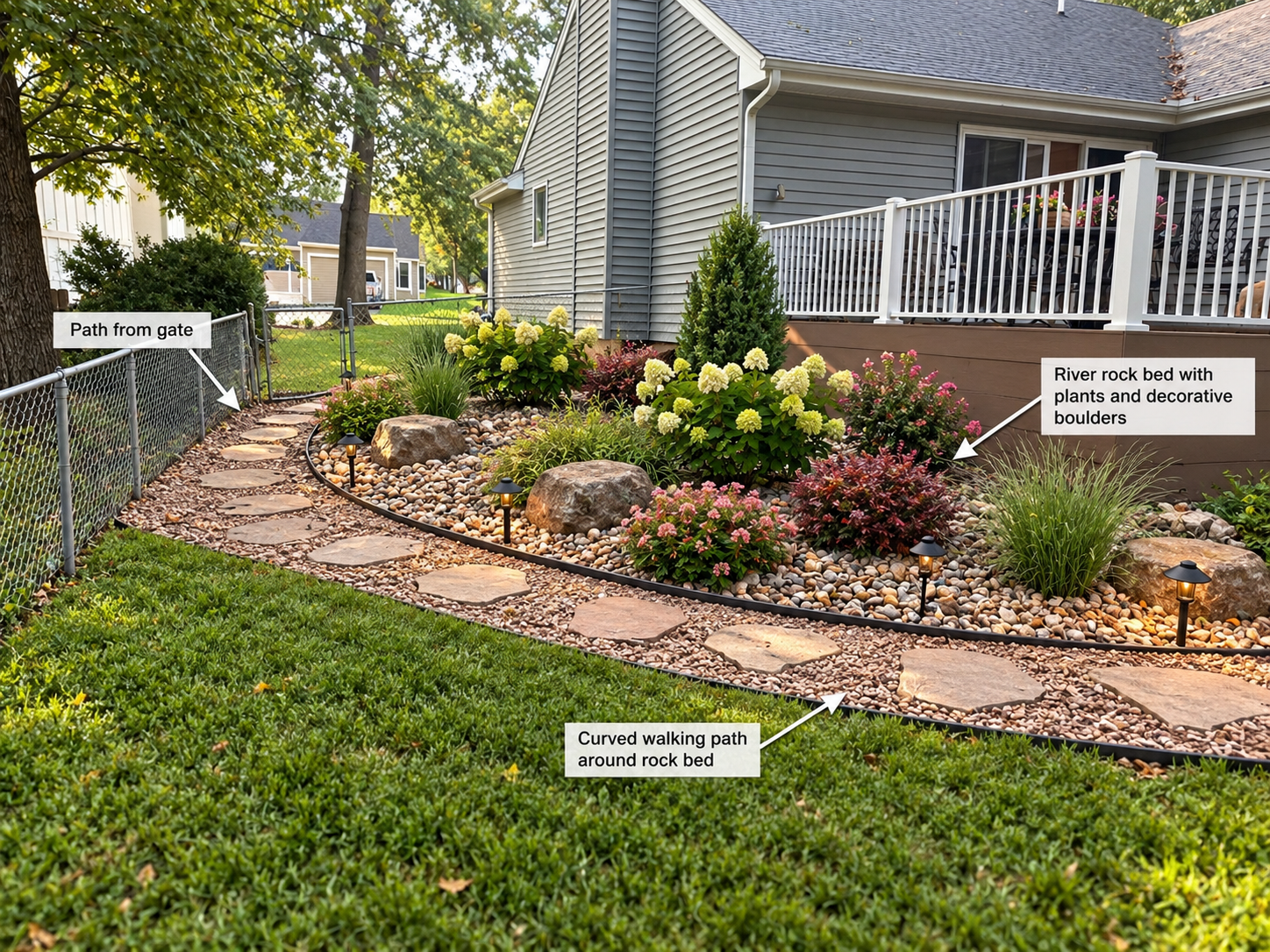
It can be an attractive option for certain foundation beds, decorative areas, and landscape designs where a longer-lasting inorganic material is preferred.
Rock is available in different sizes, textures, and colors, allowing the finished landscape to complement the home.
But there are tradeoffs.
Decorative stone can absorb and retain heat during sunny weather.
Leaves and other organic debris collect among the rocks.
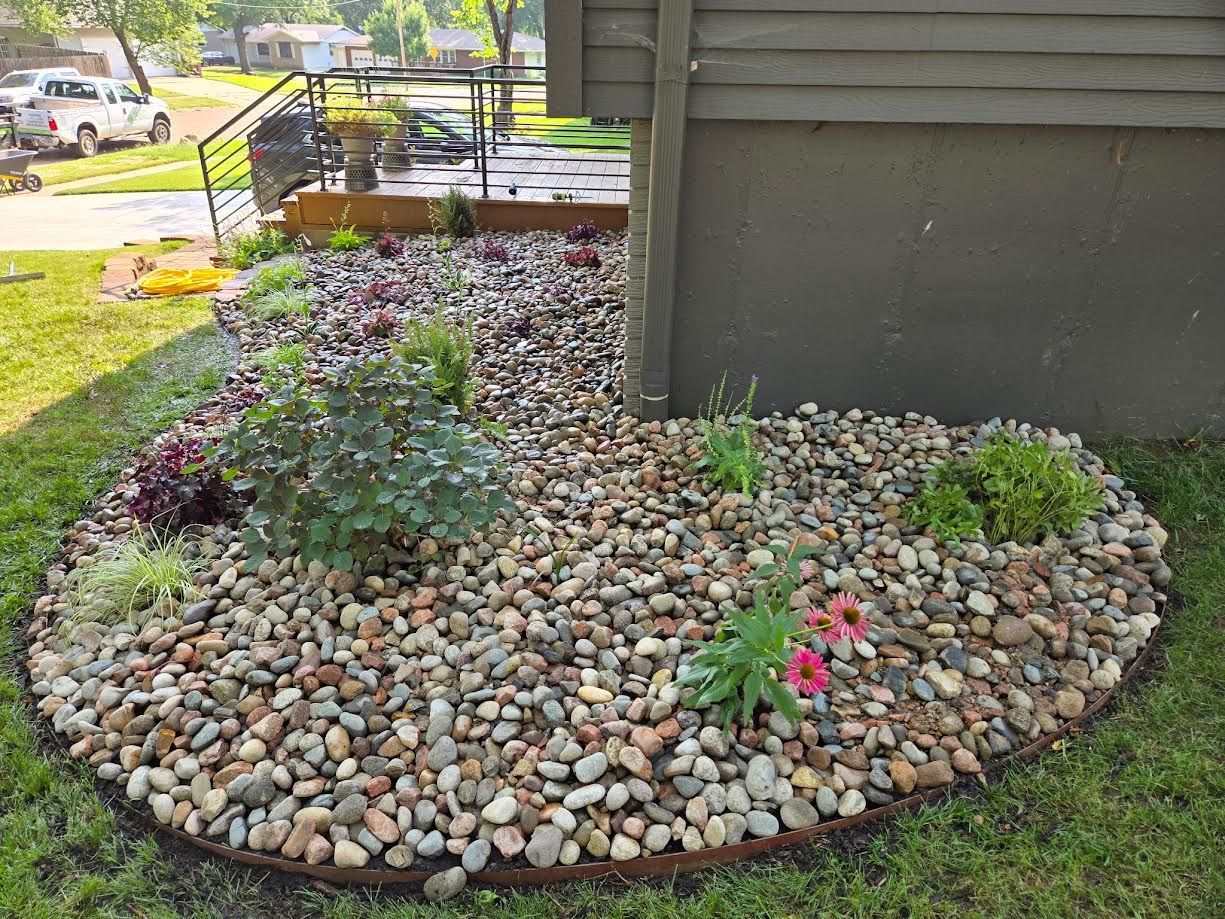
Over time, soil and fine material can accumulate within a rock bed, creating places where weeds can grow.
Rock can also be more labor-intensive to remove or change later if a homeowner decides to redesign the landscape.
That's why we recommend looking at decorative stone as part of the overall design rather than assuming it will eliminate future yard work.
3. Does Rock Prevent Weeds Better Than Mulch?
Neither rock nor mulch guarantees a weed-free landscape.
This is one of the biggest misunderstandings homeowners have about these materials.
A properly installed landscape bed can reduce weed pressure, but weeds may still establish through windblown seeds, accumulated soil, and gaps around plants or edges.
Landscape fabric can be appropriate beneath some decorative-rock installations, depending on the purpose and design.
But fabric is not a permanent guarantee against weeds, and it may complicate future planting or soil work.
For organic planting beds, the long-term effects on soil and plants should be considered before using a permanent barrier.
Edging is another important detail.
A clearly defined edge can help limit grass encroachment, separate the lawn from the bed, and create cleaner maintenance lines.
At YardCrafters, we often incorporate durable edging when renovating landscape beds because it improves both appearance and function.
IAN'S TIP
If you're constantly pulling grass out of your landscape beds, the problem might not be the mulch or rock. The edging, bed layout, or preparation underneath may need attention.
4. What Happens When Water Runs Through the Landscape Bed?
Water is an important part of choosing landscape materials.
Mulch can wash away when concentrated runoff moves across a bed.
Decorative stone is heavier, but that doesn't mean it automatically solves an erosion or drainage problem.
If the underlying soil is washing away or water is consistently being directed through the landscape, changing the surface material may only address part of the issue.
Before installing new materials, it's worth checking where the water originates, how it moves across the property, and where it can reasonably discharge.
Depending on the site, grading, downspout improvements, drainage installation, or changes to the bed layout may be appropriate.
The goal is to address the underlying conditions rather than repeatedly replace materials that are being displaced.
Yard Drainage Problems in Topeka: What Actually Fixes Standing Water?
5. Rock vs. Mulch: How Do They Compare?
There's no universal winner.
A landscaped area with many shrubs and perennials may benefit from organic mulch.
Another area may be better suited to decorative stone because of its design, exposure, and maintenance goals.
Some properties use both materials successfully in different locations.
The important thing is selecting each material intentionally.
6. Which Is More Affordable Over Time?
It's tempting to compare mulch and rock only by the purchase price of the material.
But a complete landscape project involves more than material costs.
Site preparation, removing or managing existing materials, grading, edging, delivery, installation labor, plantings, and disposal can all affect the finished cost.
Mulch generally has an ongoing replenishment requirement.
Decorative rock often has a higher initial material and installation cost, but it does not need replacement simply because it decomposes.
However, rock beds may still need cleaning, weed management, and occasional renovation.
The more important question is which option provides the best combination of appearance, functionality, and maintenance for the specific property.
At YardCrafters, we prefer to evaluate the whole landscape and develop a realistic scope rather than recommend a material based on a generic square-foot price.
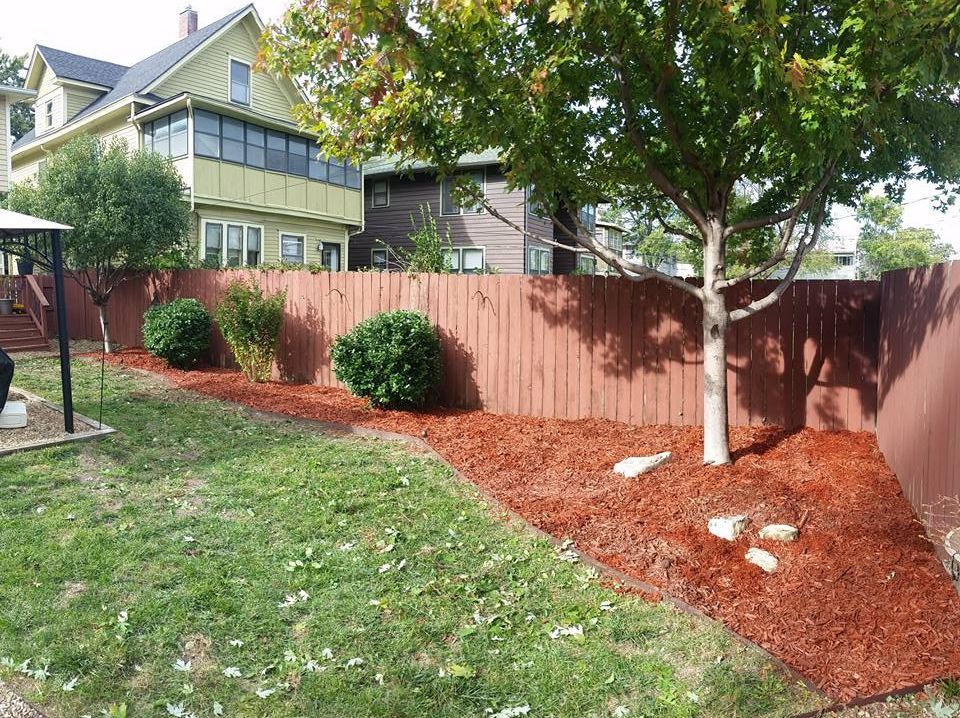
7. When Does It Make Sense to Renovate the Entire Landscape Bed?
Sometimes replacing mulch or rock is enough.
But other times, the material is only one part of the problem.
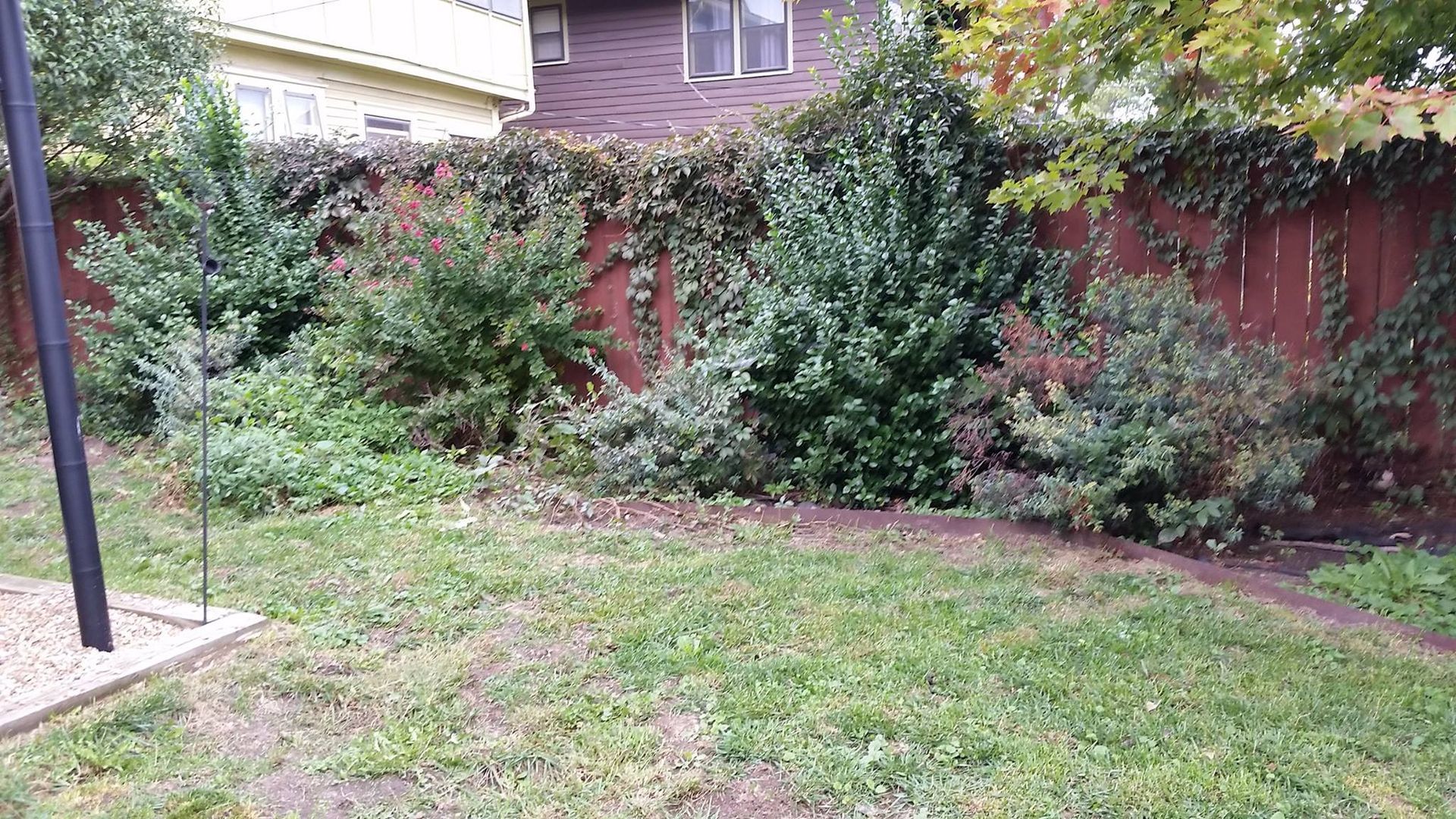
Maybe the shrubs have outgrown the available space.
Maybe the bed edges are no longer defined.
Perhaps the layout is difficult to mow around, grass continually spreads into the beds, or drainage causes the same materials to wash away.
In those situations, a more complete renovation may make better long-term sense.
That could involve redefining the bed, preparing the area, correcting underlying problems where reasonably practical, selecting suitable plants, installing edging, and finishing with mulch or decorative rock.
The goal isn't simply to make the landscape look new for a few weeks.
It's to create a landscape that better fits the property and the level of ongoing care the homeowner wants to provide.
Front Yard Landscaping in Topeka: What to Keep, Replace, or Redesign
8. Is Winter a Good Time to Plan Landscape-Bed Improvements?
Yes.
Even when the weather or ground conditions are not suitable for certain installations, homeowners can still evaluate their existing landscape and begin planning improvements.
Late fall and winter can be useful for identifying areas that have become overgrown, difficult to maintain, or visually outdated.
Photographs of existing conditions can help communicate the project.
It's also helpful to think about whether you're primarily trying to improve curb appeal, reduce maintenance, replace declining plants, or address a recurring problem.
Starting the conversation before the busy spring season can provide time to define the scope, consider materials, and discuss scheduling.
Actual construction timing will depend on weather, soil conditions, materials, and current availability.
PLANNING A 2027 LANDSCAPE PROJECT?
Photograph the existing beds from several angles. Include close-ups of failing edging, overgrown plants, erosion, or areas where material repeatedly needs replacement.
When requesting an estimate, explain what you want to improve and whether you're considering a complete renovation or a smaller refresh.
Frequently Asked Questions About Rock and Mulch Landscaping
Is rock or mulch better for landscaping in Kansas?
Both can work well in Kansas. Organic mulch is often advantageous for planted beds because of its soil-related benefits. Decorative rock may be appropriate in certain locations where a durable inorganic finish is desired. The right choice depends on the plants, drainage, sunlight, and maintenance goals.
Does decorative rock stop weeds permanently?
No. Weeds can establish in organic material that accumulates among the stones, along edges, and around plantings. Proper preparation and maintenance remain important.
Does mulch need to be replaced every year?
Not always. Replenishment depends on the type of mulch, depth, weather, decomposition, and condition of the bed. The goal is to maintain an appropriate layer without piling on excessive material.
Can you install decorative rock over old mulch?
Generally, it's better to evaluate and prepare the existing bed before changing materials. Decomposed mulch, weeds, soil buildup, and drainage conditions should be addressed as necessary for the intended installation.
Is decorative rock better around the foundation?
Not automatically. Rock can be appropriate near foundations, but drainage, grade, planting conditions, and the existing site need to be considered. Rock alone doesn't correct improper water flow.
Can YardCrafters replace old landscape beds with lower-maintenance materials?
Yes. YardCrafters provides landscape renovations involving bed preparation, edging, decorative stone, mulch, planting, and related improvements in the Topeka area.
Ready for Landscape Beds That Are Easier to Maintain?
Whether you're considering decorative rock, fresh mulch, steel edging, new plantings, or a complete landscape renovation, YardCrafters can help evaluate the options.
Tell us what you're working with, what you'd like to change, and when you're hoping to move forward.
📞 (785) 608-2970
🌐 www.yardcraftersks.com
📧 yardcraftersoftopeka@gmail.com
📍 Serving Topeka & Northeast Kansas Since 2016
About the Author
Ian Robbins is the owner of YardCrafters LLC, a locally owned landscaping and hardscaping company serving Topeka and Northeast Kansas since 2016.
YardCrafters provides landscape renovations, decorative rock and mulch installations, edging, retaining walls, patios, grading, drainage, and ongoing landscape maintenance.