October 26, 2026
Thinking about updating your front yard? Learn what to keep, replace, or redesign for better curb appeal and easier maintenance in Topeka, Kansas.
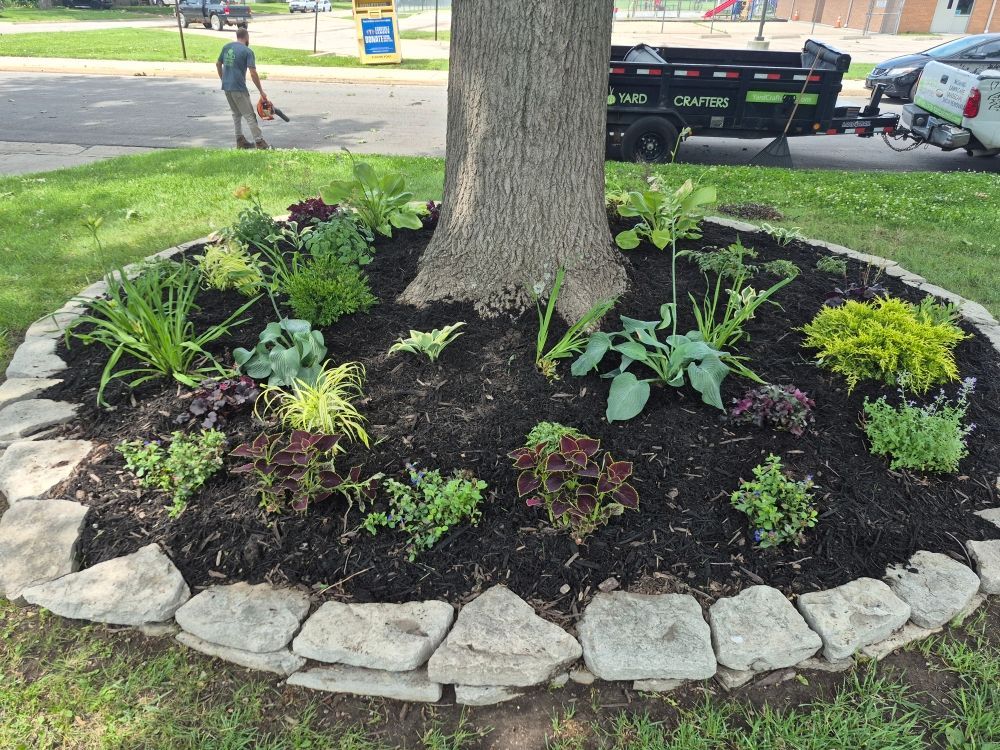
A front yard doesn't have to be falling apart to need improvement.
Sometimes the plants have simply outgrown the space.
Sometimes the landscape beds have lost their shape.
Maybe the shrubs block the windows, the edging has disappeared, or the decorative materials no longer complement the house.
And sometimes everything is technically still there, but the landscape just doesn't look the way you want it to.
We see situations like these throughout Topeka and Northeast Kansas.
The good news is that improving your front yard doesn't always require removing everything and starting over.
Some properties need a refresh. Others benefit from a partial renovation. And occasionally, redesigning the entire space is the better long-term solution.
The important part is figuring out what should stay, what needs to go, and what could work better.
Here's how we recommend approaching that decision.
THE QUICK ANSWER
Keep healthy plants and landscape features that still fit the property's design.
Replace overgrown, struggling, or poorly positioned plants when necessary.
Redesign areas where the layout, drainage, access, or long-term maintenance requirements no longer make sense.
The right solution depends on the property—not simply how old the landscaping is.
Explore YardCrafters' planting and landscape improvement services.
1. Start by Deciding What Still Works
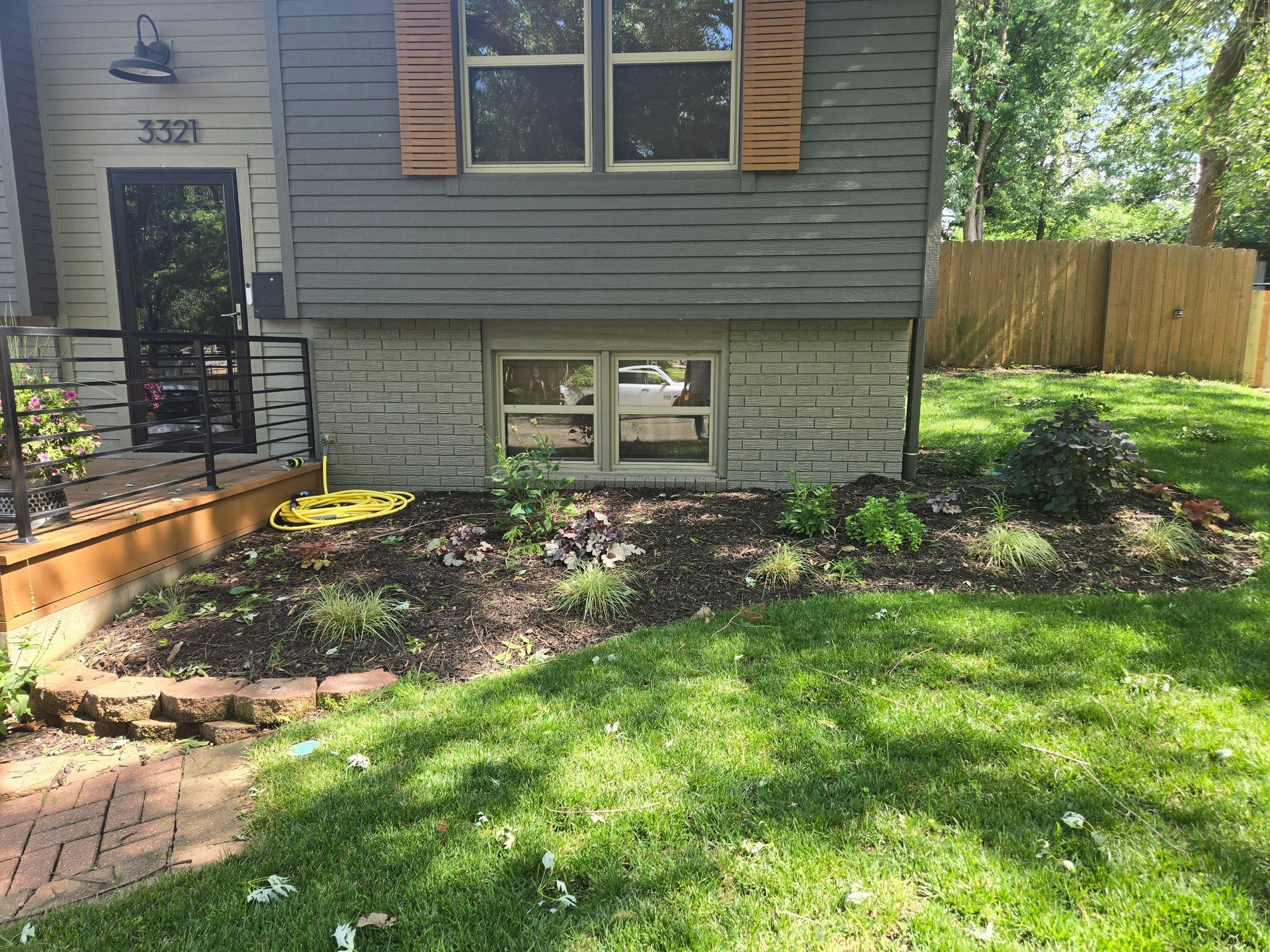
Before making changes, take a good look at what is already there.
Not every mature shrub needs to be removed.
Not every landscape bed needs to be rebuilt.
And an older landscape isn't automatically a bad landscape.
We generally recommend looking at three things first.
Plant health: Are the existing trees and shrubs healthy enough to remain?
Plant placement: Do they still fit the space, or have they grown too close to windows, walkways, foundations, or neighboring plants?
Overall layout: Do the landscape beds complement the house and provide an attractive transition between the home and lawn?
Sometimes selective pruning, cleanup, and fresh edging can make a substantial improvement.
Other times, keeping every existing plant simply preserves the problems that made the landscape difficult to maintain in the first place.
A successful renovation starts by identifying which parts of the property are worth keeping.
You don't have to remove everything to make a meaningful improvement.
2. Replace Plants That No Longer Fit the Space
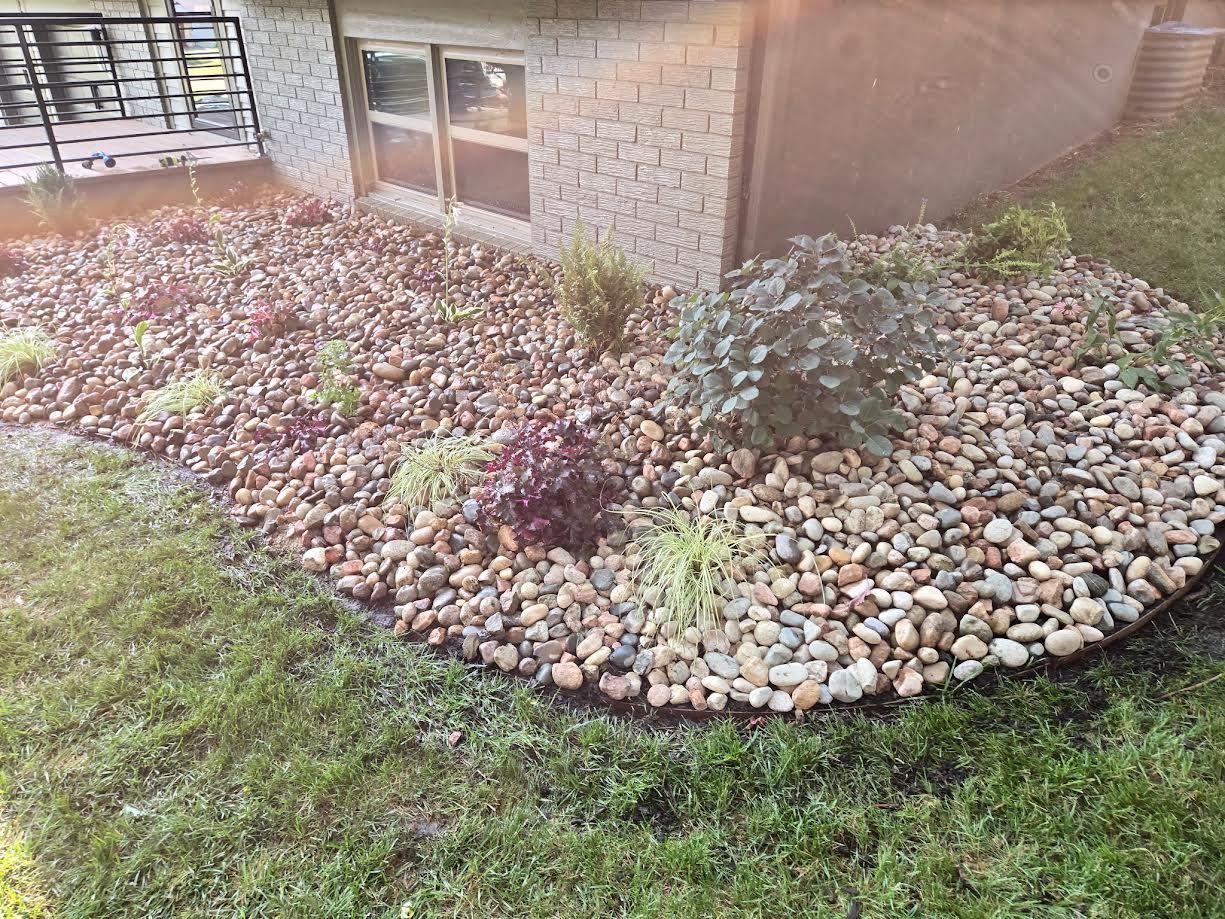
One of the most common landscape-design mistakes is choosing plants based on how they look when they're small.
A shrub that looks perfect in a nursery container may become far too large for its intended location.
Over time, homeowners can find themselves repeatedly trimming plants to keep them away from windows, sidewalks, and neighboring shrubs.
That's often a sign that the original plant selection or spacing wasn't appropriate.
Kansas State University Extension recommends evaluating mature plant height and spread, sunlight requirements, water needs, and cold hardiness before selecting plants.
Those considerations matter just as much when renovating an existing landscape as they do when installing a new one.
For a front-yard renovation, we may recommend keeping healthy, properly sized plants while replacing others with varieties better suited to the available space.
The objective isn't simply to create a landscape that looks good immediately after installation.
It's to create one that continues looking appropriate as the plants mature.
IAN'S LANDSCAPING TIP
Don't design a landscape around what the plants look like the day they're installed.
Think about what they'll look like three to five years from now.
Appropriate spacing and plant selection can make a substantial difference in long-term maintenance.
3. Sometimes the Bed Layout Is the Real Problem
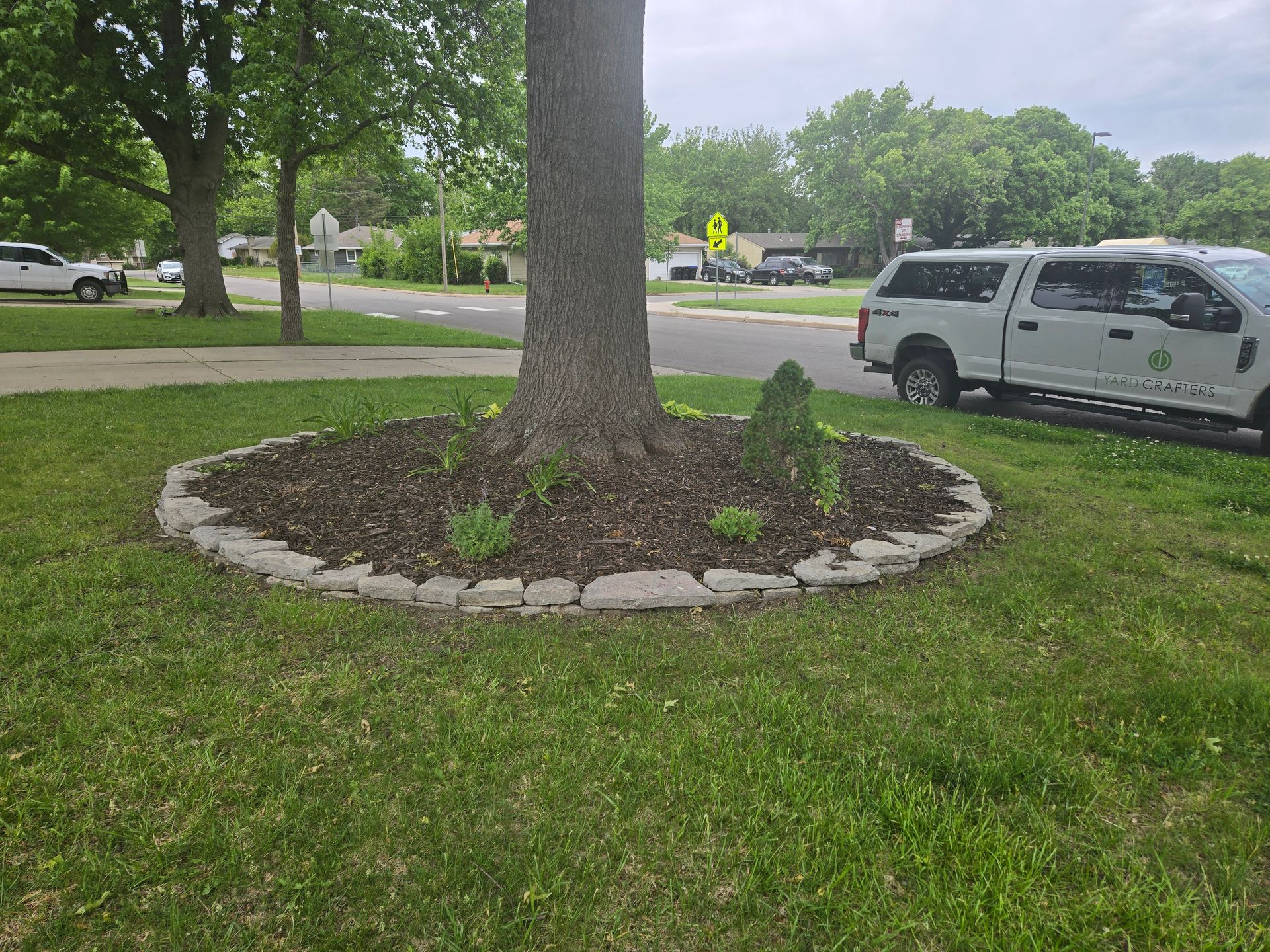
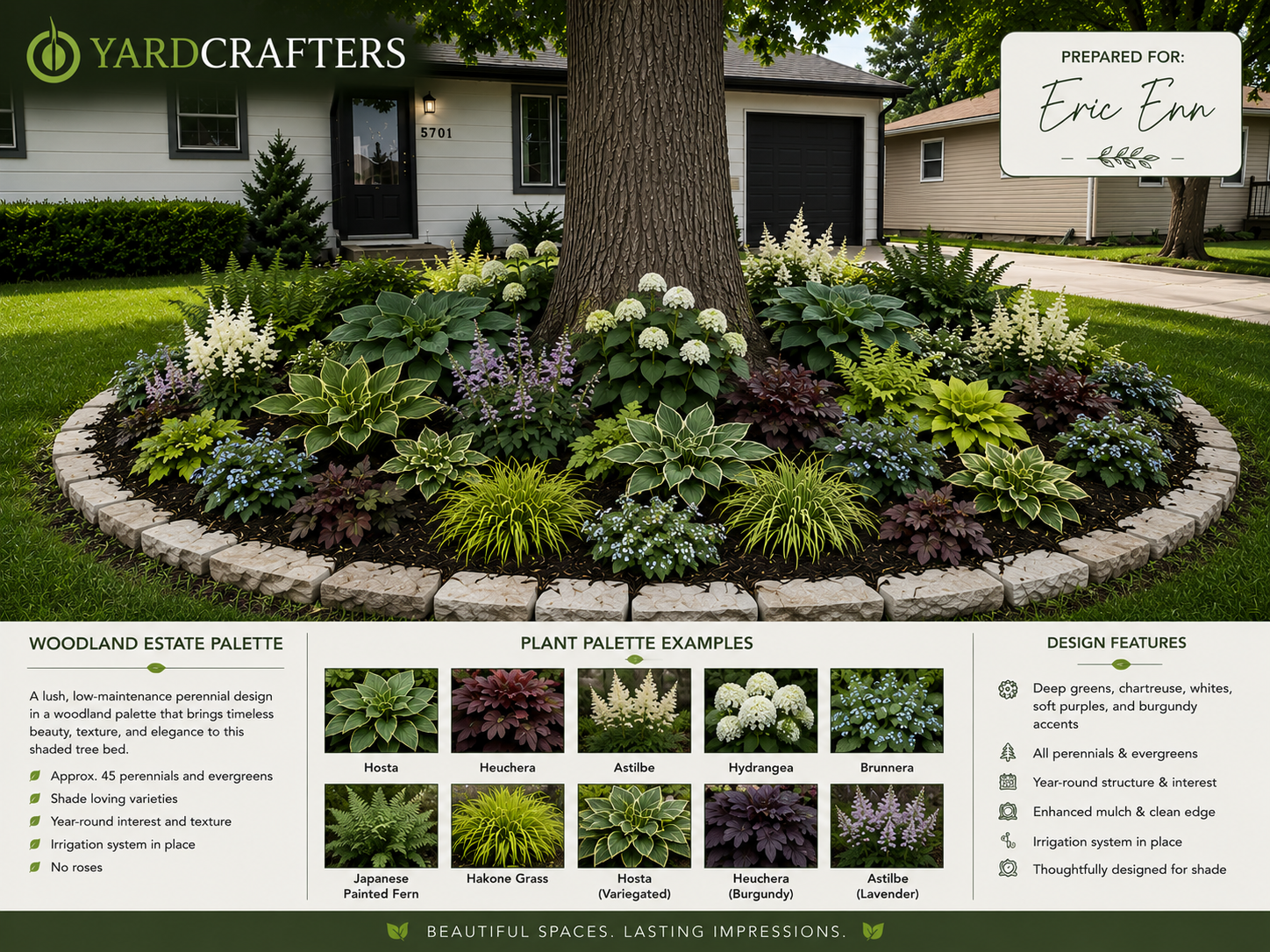
You can install beautiful plants in a poorly designed landscape bed and still end up with a disappointing result.
That's because the shape and layout of the bed affect how the entire front yard looks.
Some beds are too narrow for the plants they contain.
Others have awkward corners that make mowing and edging difficult.
And some simply don't create a natural visual connection between the house, driveway, walkway, and lawn.
Redesigning the bed lines can change the appearance of the property without changing the house itself.
A well-planned layout should consider the architecture, the shape of the yard, access to entrances and utilities, mature plant sizes, and how the homeowner intends to maintain the space.
This is one reason landscape concepts can be useful.
They allow homeowners to explore potential changes before committing to installation.
Sometimes changing the shape of the landscape beds creates a bigger improvement than adding more plants.
See YardCrafters' landscaping and outdoor improvement services.
4. Choose Materials That Complement the Design

Mulch, decorative rock, and edging can dramatically influence how a landscape looks.
But the best material isn't necessarily the most expensive or the one requiring the least frequent replacement.
Organic mulch can help conserve moisture, moderate soil temperatures, and suppress weeds.
Decorative rock may be appropriate for certain areas where durability and a different visual texture are desired.
Both require thoughtful installation and ongoing maintenance.
The layout should also account for how debris will be managed, whether grass can encroach into the beds, and how the materials interact with existing plants.
Quality edging can help maintain defined bed lines and reduce the amount of repeated maintenance required.
When we evaluate a landscape renovation, we look at the materials as part of the overall design rather than as separate decorative purchases.
Materials should support the landscape's function and appearance—not compensate for a poor layout.
5. Correct Underlying Problems Before Installing the New Landscape
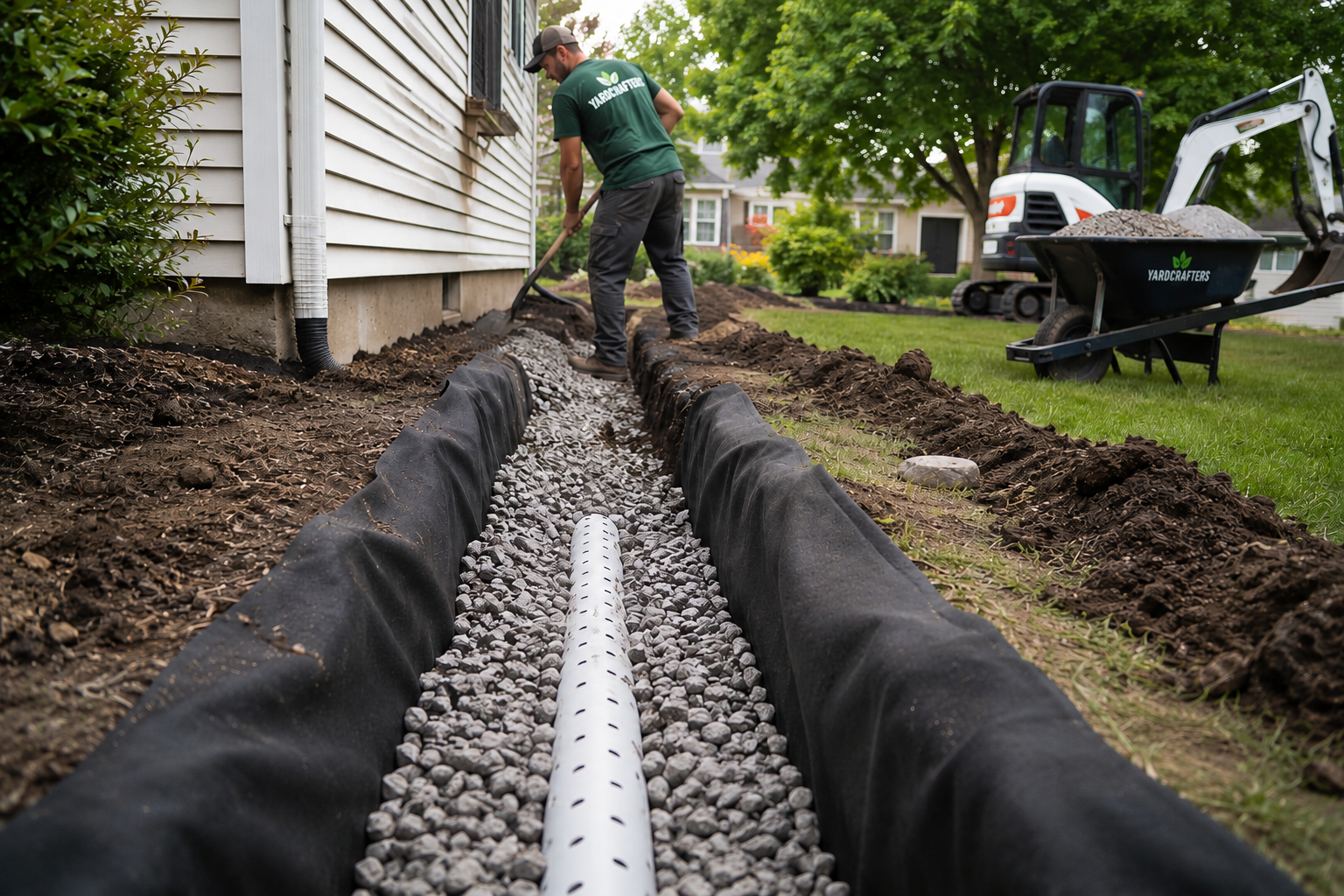
A landscape renovation should address more than appearance.
If water regularly collects near the house, washes mulch out of the beds, or creates erosion, those conditions should be evaluated before installing new materials.
Otherwise, the homeowner may spend money improving an area without correcting the reason it keeps deteriorating.
Depending on the property, the solution may involve adjusting the grade, managing downspout discharge, installing drainage components, or changing the landscape layout.
Sloped properties may also benefit from retaining walls, steps, or other improvements that create more usable space.
These projects require proper planning because the finished appearance is only part of the result.
The landscape also needs to function correctly.
Correct the cause of recurring problems before investing in the finished appearance.
6. Refresh, Renovate, or Completely Redesign?
There's no universal answer to how much landscaping should be replaced.
A property with healthy shrubs and well-designed beds may only need selective maintenance.
Another property may benefit from replacing a few overgrown plants and redefining the bed lines.
A more substantial renovation may make sense when the homeowner wants a completely different appearance, improved access, less maintenance, or new outdoor features.
Budget also plays a role.
Some homeowners prefer to complete a project at once.
Others benefit from developing a larger plan and dividing the work into phases.
A phased project can make sense when each phase is planned around the eventual finished design.
What we want to avoid is installing something today that will need to be removed when the next phase begins.
A thoughtful plan helps homeowners invest in improvements that work together.
CAN YOU PLAN NOW AND INSTALL LATER?
Absolutely.
Landscape planning and installation don't always need to happen at the same time.
Depending on the scope, weather, material availability, and production schedule, certain improvements may be completed sooner while others are scheduled for a more appropriate time.
7. How to Prepare for a Front-Yard Landscape Estimate
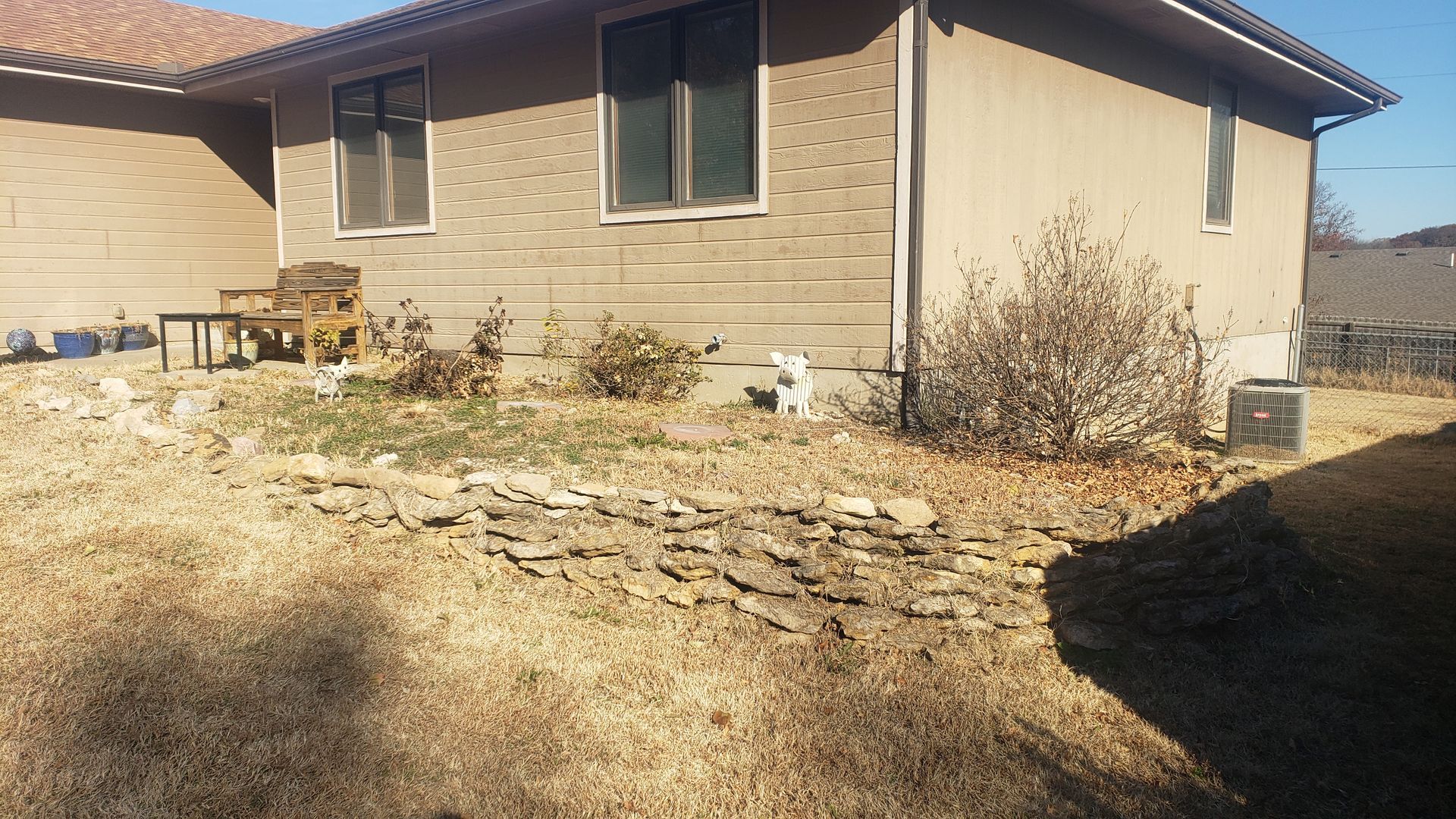
You don't need a finished landscape design before contacting a contractor.
However, having a few things in mind can make the conversation more productive.
Start by identifying what bothers you most about the existing landscaping.
Is it the appearance?
The amount of maintenance?
Overgrown plants?
Drainage?
An awkward walkway or slope?
Next, consider what you'd like the finished property to accomplish.
Maybe you want more color, cleaner bed lines, easier mowing, better drainage, or a completely different front-yard appearance.
Photographs of the existing property can also help explain what you're trying to change.
And if you have a budget range in mind, sharing it early can help determine which approaches are realistic.
At YardCrafters, our goal is to understand the property, the homeowner's priorities, and the scope of work before recommending a solution.
The result should be a project that fits the property—not simply a collection of improvements that happen to look attractive individually.
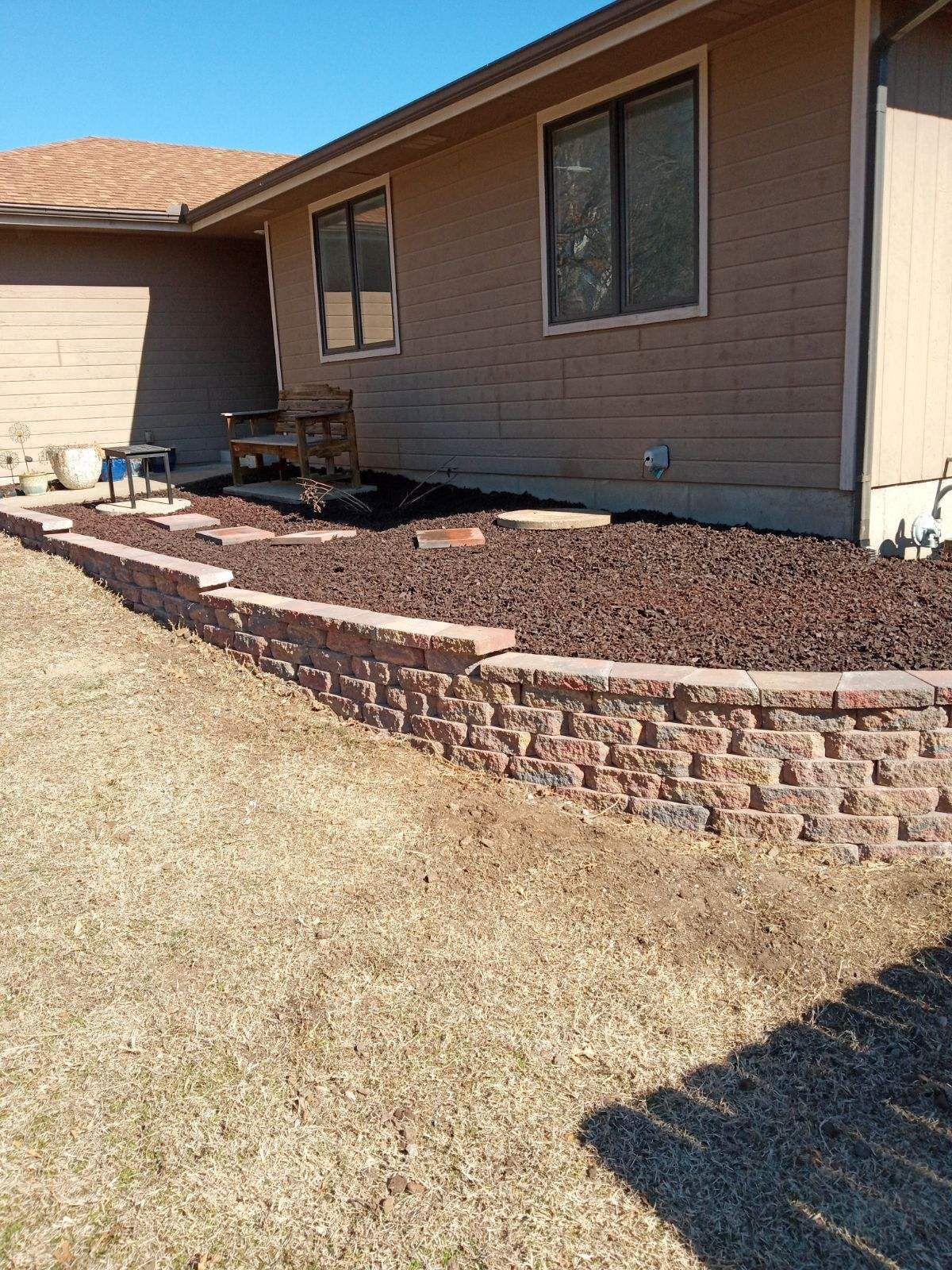
Frequently Asked Questions About Front Yard Landscaping in Topeka
Do I need to remove all my existing landscaping to renovate my front yard?
No. Many front-yard renovations can retain healthy, appropriately sized plants and existing features. The best approach depends on plant condition, layout, maintenance needs, and the homeowner's goals.
Is it better to use mulch or decorative rock in front-yard landscaping?
Both can be appropriate. Organic mulch can help conserve moisture and improve soil conditions as it decomposes. Decorative rock provides a different appearance and may be suitable for certain beds. The best choice depends on the plants, site conditions, and maintenance preferences.
What makes a front yard look outdated?
Common factors include overgrown foundation shrubs, crowded plants, poorly defined beds, deteriorated materials, and landscape layouts that no longer complement the house.
Can I renovate only part of my front yard?
Yes. Partial renovations can be an effective option when the remaining landscape is healthy and functional. It's helpful to consider the overall design so the improved area fits the rest of the property.
Can front-yard landscaping be planned in the fall?
Yes. Fall can be a useful time to evaluate existing landscaping and develop a renovation plan. Installation timing depends on the type of work, plant material, weather, and contractor availability.
Does YardCrafters provide front-yard landscape renovations in Topeka?
Yes. YardCrafters provides landscape maintenance, planting, bed renovations, decorative materials, grading, drainage, retaining walls, and other outdoor improvements throughout Topeka and Northeast Kansas.
Ready to See What Your Front Yard Could Become?
Your property may not need a complete redesign.
Sometimes a few carefully planned improvements can make a significant difference.
Whether you're considering new landscape beds, updated plants, decorative rock, edging, drainage improvements, or a larger renovation, YardCrafters can help evaluate your options.
Tell us what you'd like to change, and we'll discuss a plan that fits your property, priorities, and budget.
REQUEST A LANDSCAPE ESTIMATE - YardCrafters Estimate Form.
📞 (785) 608-2970
🌐 www.yardcraftersks.com
📧 yardcraftersoftopeka@gmail.com
📍 Serving Topeka & Northeast Kansas Since 2016
About the Author
Ian Robbins is the owner of YardCrafters LLC, a locally owned landscaping and outdoor improvement company serving Topeka and Northeast Kansas since 2016.
YardCrafters helps homeowners improve their properties through landscape maintenance, planting, renovations, retaining walls, patios, grading, drainage, and lawn care.
Our mission is to honor God by using the talents we've been given to serve our neighbors while beautifying their outdoor spaces.