June 30, 2026
Retaining walls play an essential role in landscaping and civil engineering, offering both functional and aesthetic benefits. Primarily, these structures are used to stabilize slopes and manage soil erosion, protecting landscapes from natural degradation. Retaining walls act as barriers, holding back soil and preventing landslides, which can lead to property damage and pose a threat to human safety. Interestingly, even modestly sized retaining walls can handle considerable mechanical forces; for example, a four-foot-high, 15-foot-long retaining wall can restrain as much as 20 tons of saturated soil, according to This Old House. The application of retaining walls extends beyond mere landscape protection, incorporating economic, environmental, and urban planning benefits.
Design and Engineering of Retaining Walls
Types of Retaining Walls
Retaining walls come in various types, each designed to meet specific needs based on soil conditions and landscape requirements. Gravity walls rely primarily on their mass to resist pressure from behind, often constructed with heavier materials such as concrete or stone. Cantilever walls are reinforced with steel supports that distribute pressure across the base, making them suitable for taller structures. Anchored walls use cables or other stays to provide additional support, ideal for areas with significant load requirements. Each type of retaining wall is engineered to serve different functions, emphasizing the importance of selecting the right design for a given project.
Materials Used in Retaining Wall Construction
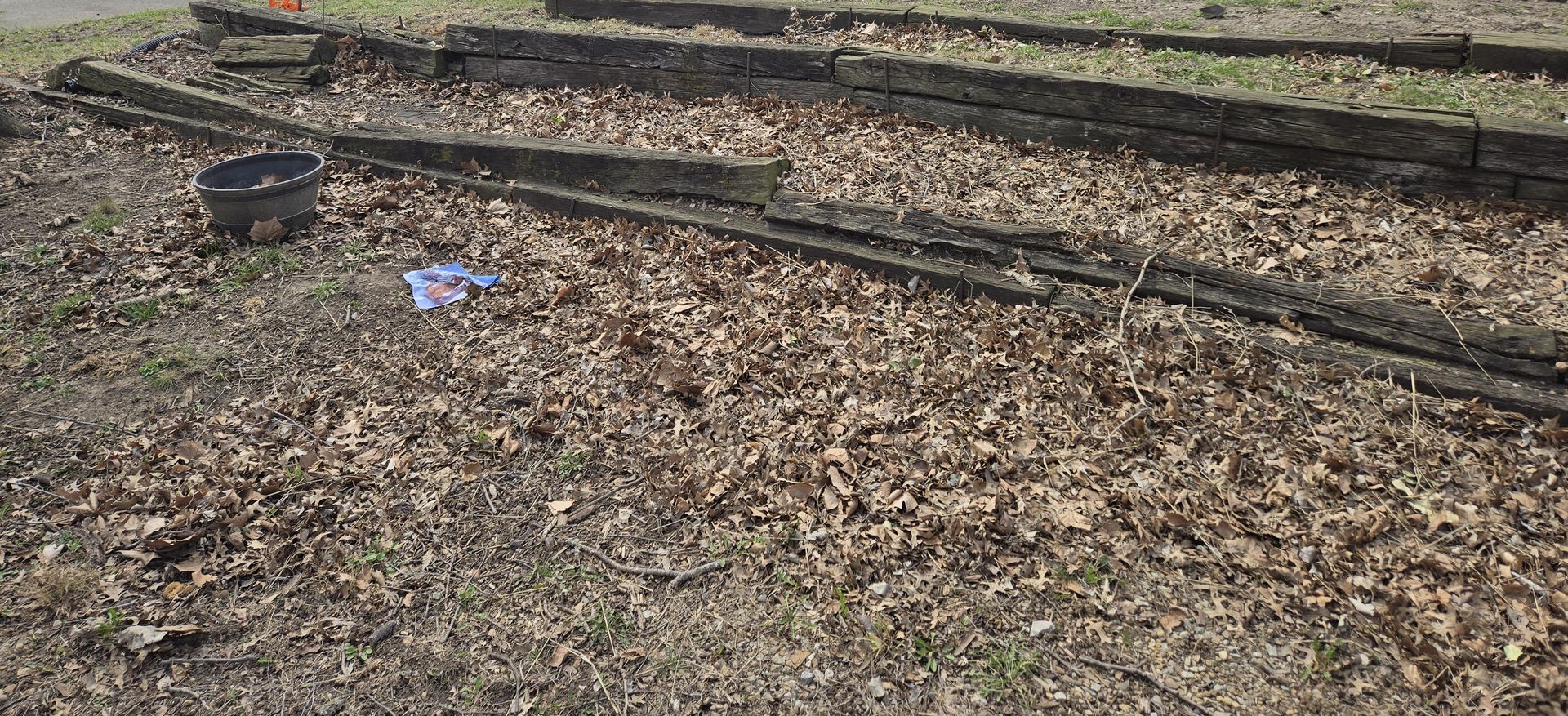
The material chosen for retaining wall construction greatly impacts its durability and aesthetic. Concrete blocks and poured concrete are popular for their strength and ability to be molded into various shapes, providing both stability and a modern look. Stone offers a natural and timeless appearance, blending seamlessly into landscapes while offering robust support. Wood is often used for landscaping applications due to its versatility and cost-effectiveness, though it may not last as long as inorganic materials. Interlocking blocks are growing in popularity due to their ease of installation and flexibility in design, providing an option for both DIY and professional builds.
Structural Engineering Principles
Structural engineering principles are critical to ensure the effectiveness of retaining walls, focusing on load-bearing capabilities, earth pressure, and overall stability. The wall must be designed to withstand lateral earth pressures, which can be immense, especially when the soil behind the wall becomes saturated with water. Properly engineering the base is crucial, as it needs to support the weight of the wall along with the forces applied from the retained soil. Engineers often factor in a safety margin to account for unexpected shifts in soil or additional loads from vehicles or structures. The integrity of a retaining wall relies heavily on careful design calculations that anticipate environmental and manmade impacts.
Drainage and Water Management
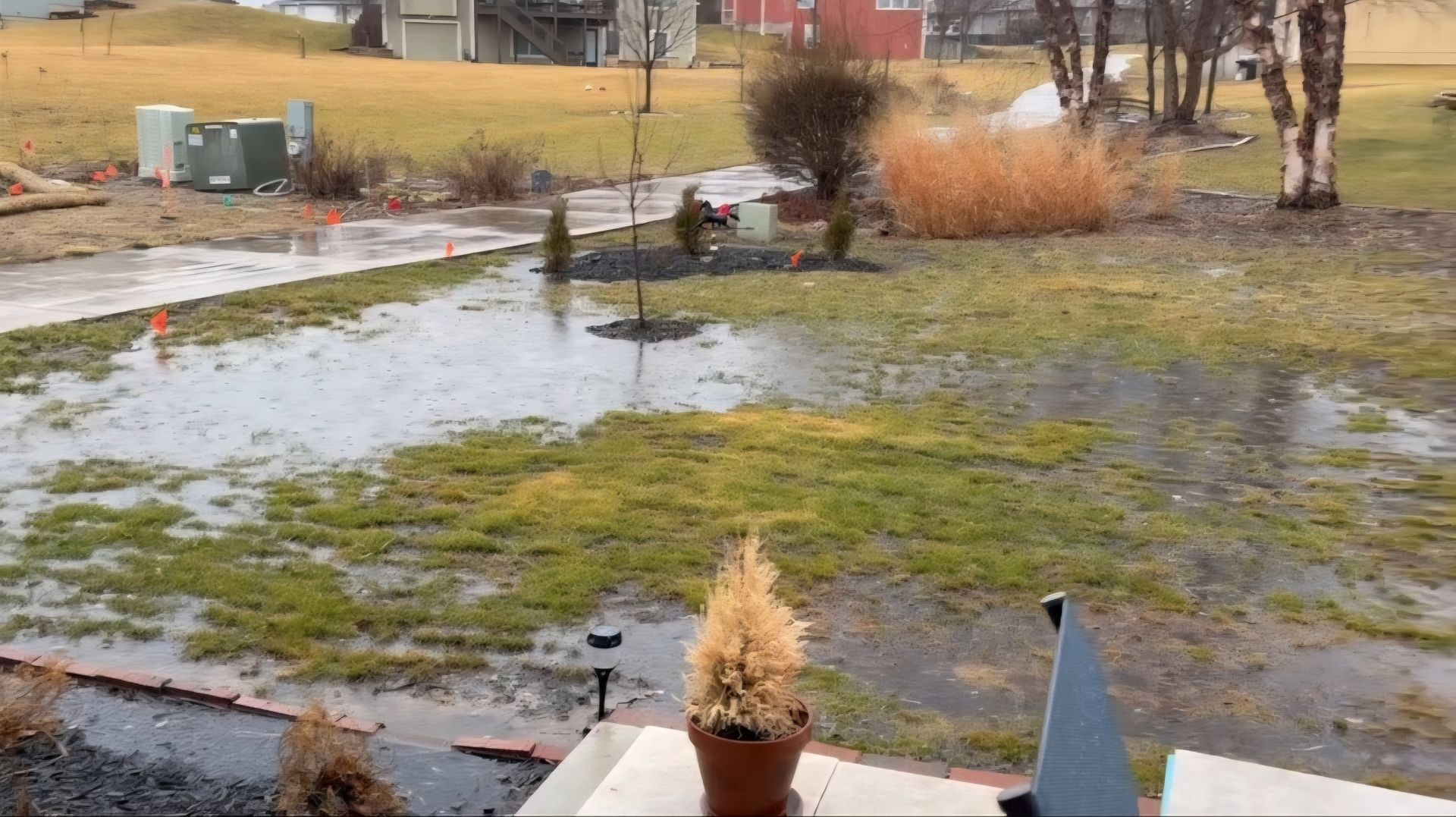
Drainage and water management are vital components of retaining wall designs, preventing water buildup that could compromise the structure's stability. Without proper drainage, water can accumulate behind a wall, increasing the pressure on the structure and potentially leading to wall failure. Drainage systems often include weep holes, perforated pipes, or gravel-filled trenches that guide water away from the wall. Efficient drainage not only extends the lifespan of a retaining wall but also minimizes maintenance needs and reduces the risk of erosion. Effective water management thus becomes integral, especially in regions prone to heavy rainfall or flooding.
Innovative Design Technologies
Innovations in retaining wall design technologies continue to emerge, enhancing both functionality and environmental integration. Geosynthetics, such as geogrids and geotextiles, improve wall stability and support the soil structure without altering natural landscapes drastically. Modular designs using eco-friendly materials such as recycled plastic blocks or green walls that incorporate plants into the design are gaining traction for their sustainability. Advances in modeling software allow engineers to simulate and optimize wall designs before construction, improving accuracy and efficiency. Such innovations contribute to more resilient and environmentally friendly retaining wall solutions.
Environmental Benefits of Retaining Walls
Soil Erosion Control
Retaining walls are highly effective at controlling soil erosion, a significant environmental and agricultural concern. Erosion occurs when soil is displaced by water or wind, which can lead to the loss of fertile topsoil and result in degraded landscapes. By stabilizing the soil, retaining walls help maintain the integrity of slopes and prevent erosion from occurring. This is particularly important in areas prone to severe weather, where erosion can occur rapidly and cause extensive damage. The ability of retaining walls to prevent soil erosion directly contributes to agricultural sustainability and landscape conservation.
Water Runoff Management
In managing surface water, retaining walls also alleviate environmental stresses associated with water runoff. Efficient runoff management prevents water accumulation that can lead to flooding and minimizes pollution by filtering run-off through soil before it enters local waterways. This filtration process can trap sediments and reduce the presence of pollutants, helping to protect aquatic ecosystems. Retaining walls with integrated drainage solutions help control the direction and rate of water flow, further contributing to flood prevention and soil preservation. Consequently, they play a significant role in sustainable water management practices.
Habitat Preservation
Beyond structural benefits, retaining walls support the conservation of habitats by preventing the destruction of natural environments. By minimizing soil movement, these structures protect existing vegetation that relies on stable soil conditions for survival. Retaining walls can also be designed to integrate with local ecosystems, using native plants that promote biodiversity and serve as habitats for various fauna. This balance between human construction and nature helps maintain ecological continuity and resilience. Integrating environmental consideration into retaining wall designs not only preserves landscapes but also augments biodiversity conservation efforts.
Economic Advantages of Retaining Walls
Value Addition to Property
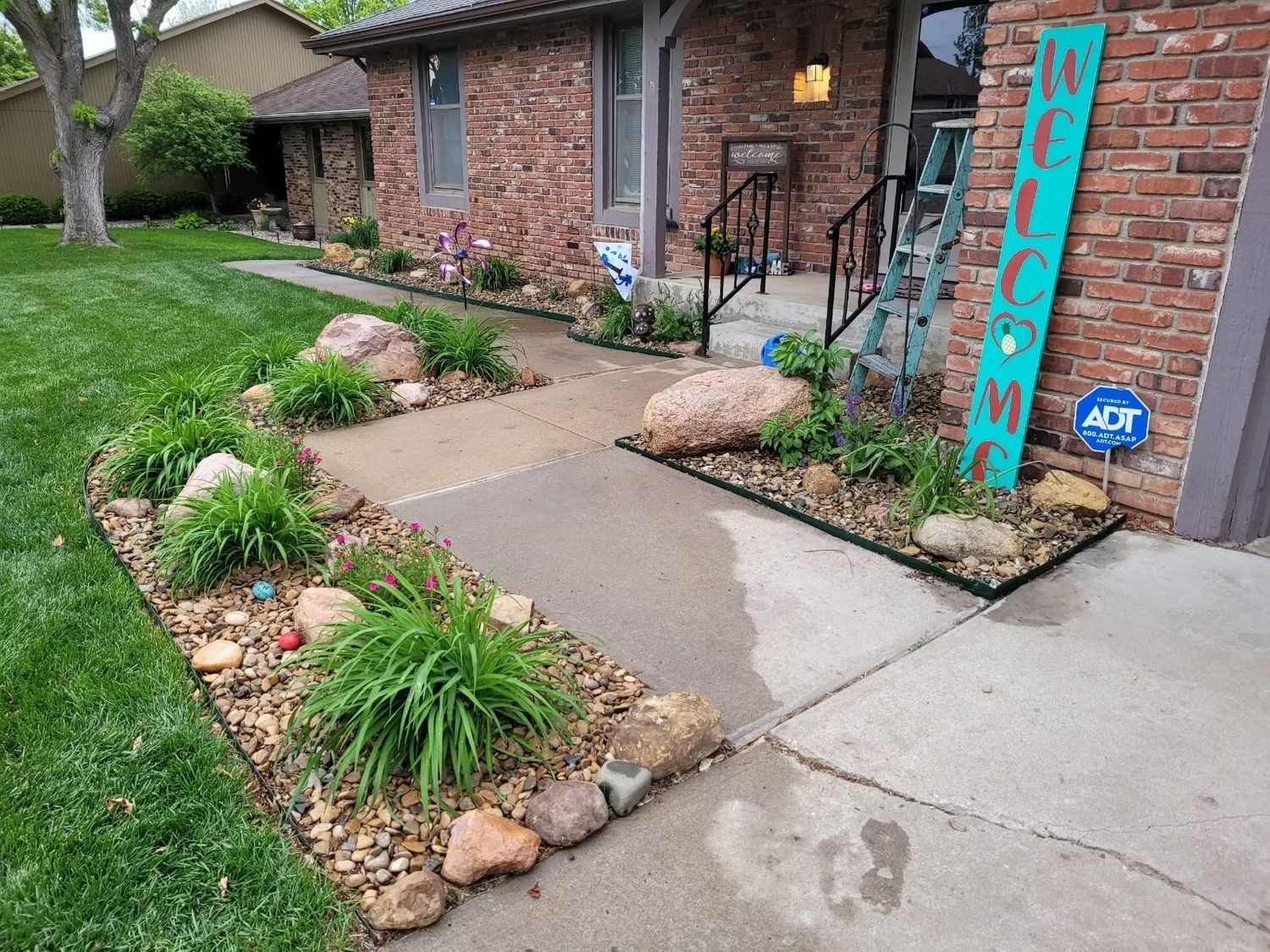
One of the key economic advantages of retaining walls is their contribution to increasing property value. Homes and buildings located on properties with well-maintained landscapes often attract higher market prices. Retaining walls enhance the visual appeal of a property, creating tiered gardens or distinct outdoor areas that add functional and aesthetic value. Moreover, buyers are often willing to pay a premium for properties with robust infrastructure, such as retaining walls, which signify low future maintenance costs and stable landscaping. These enhancements can significantly improve the marketability and value of a property.
Reducing Maintenance Costs
Retaining walls also offer long-term financial benefits by reducing landscape maintenance costs. By controlling erosion and managing water flow, they decrease the need for extensive landscape repairs and interventions. Without retaining walls, property owners might face frequent landscaping updates to address soil loss or deal with chronic flood damage. The initial investment in constructing a retaining wall can thus be offset by the reduction in ongoing maintenance costs. Retaining walls embody a cost-efficient strategy to maintain property integrity over time.
Cost-Effective Land Use
Maximizing usable land space is a crucial economic advantage offered by retaining walls. In areas with natural slopes, much of the land may be wasted due to challenges in building and planting. Retaining walls transform these slopes into usable terraces, creating level spaces for gardens, patios, or additional structures, effectively enlarging the functional footprint of a property. This not only increases the overall value of the land but also allows for more innovative uses of space. Engineers and architects can design these spaces to suit specific needs, further enhancing their utility and appeal.
Impact on Real Estate Marketability
The presence of retaining walls can significantly boost the marketability of real estate. These structures not only improve structural stability and appearance but also ensure long-term protection against natural forces, which is attractive to potential buyers. Properties equipped with retaining walls are often seen as well-planned investments, adding a layer of assurance for buyers regarding the property's environmental stability. In competitive real estate markets, these advantages can differentiate properties, potentially shortening the time a property spends on the market. Real estate professionals frequently highlight these features when marketing properties to prospective buyers.
Ultimately, whether constructed from timeless natural stone, modular interlocking blocks, or innovative eco-plastics, an optimized retaining wall represents a proactive, high-ROI investment in property longevity. By conquering terrain challenges and managing water flow, these structures don't just defend a piece of land against natural degradation—they actively transform vulnerable slopes into stable, highly valuable, and visually striking environments. Call Yard Crafters today to learn more about how your property can benefit from getting a retaining wall installed.