Why Does Grass Keep Dying in the Same Spot? 7 Problems Kansas Homeowners Should Check
7071302842 • August 18, 2026

August 18, 2026

Why Does Grass Keep Dying in the Same Spot? 7 Problems Kansas Homeowners Should Check

If grass keeps dying in the same spot, the grass itself may not be the real problem. Poor drainage, incorrect grading, compacted soil, excessive shade, poor soil conditions, heavy traffic, or environmental stress can prevent turf from establishing. Identifying and correcting the underlying site condition is often more effective than repeatedly reseeding the area.


Why Does Grass Keep Dying in the Same Spot? 7 Problems Kansas Homeowners Should Check

You seed it.

It grows.

Then summer arrives—and the same section of your yard thins out or dies again.

If you've repeated that cycle more than once, it may be time to stop blaming the grass.

Here in Northeast Kansas, summer has a way of exposing weaknesses in a property. Heat and dry conditions make struggling turf obvious, while heavy thunderstorms can reveal drainage problems, erosion, low areas, and incorrect grades.

Sometimes overseeding is exactly what a lawn needs.

But sometimes the grass isn't the problem.

Before putting more seed into an area that repeatedly fails, here are seven things worth checking.

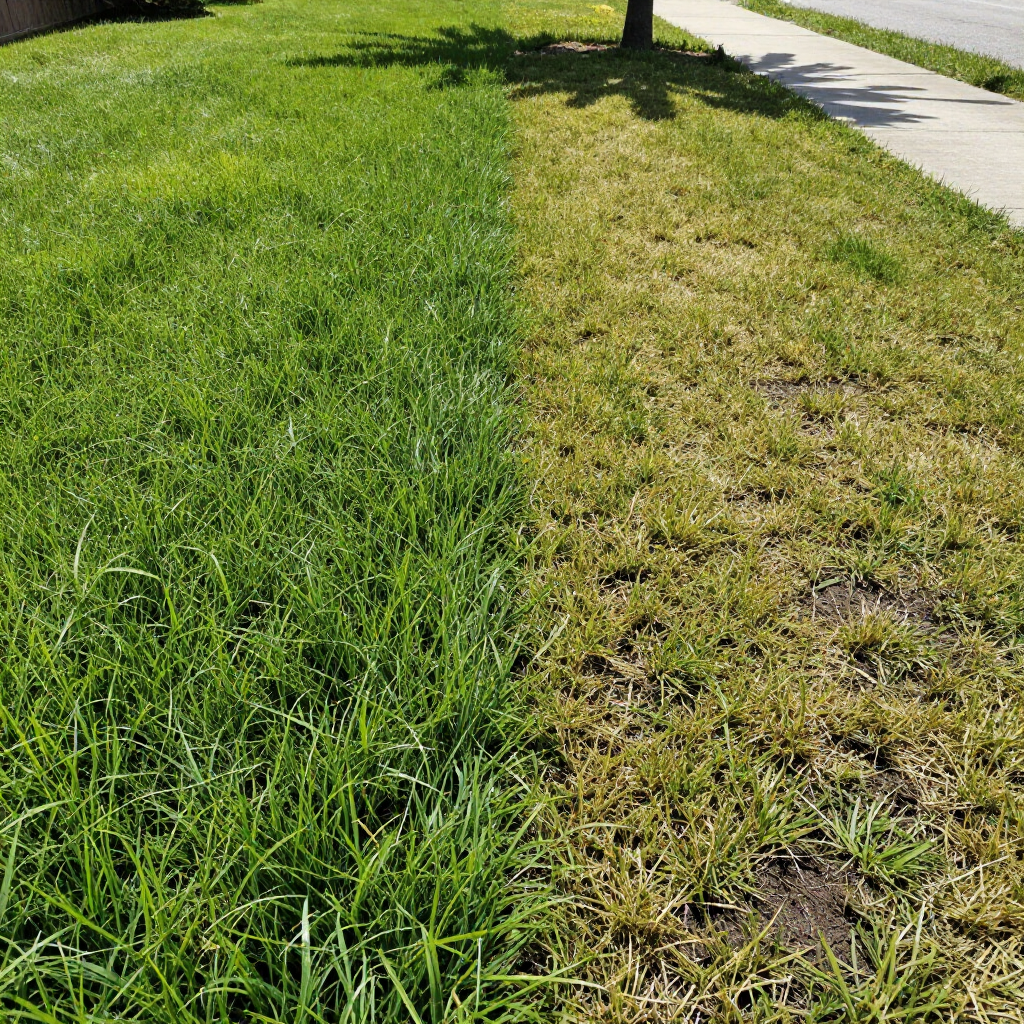
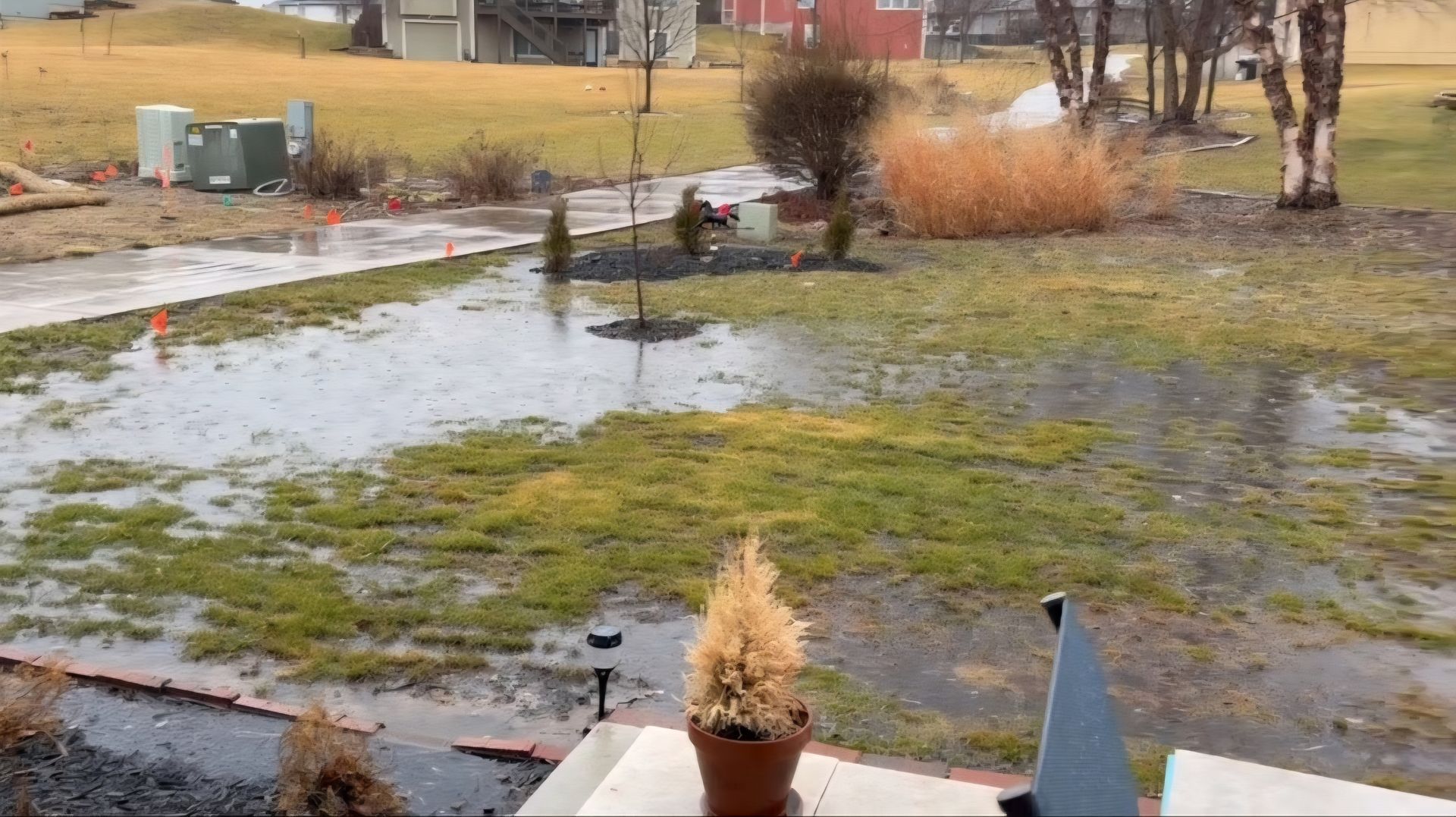
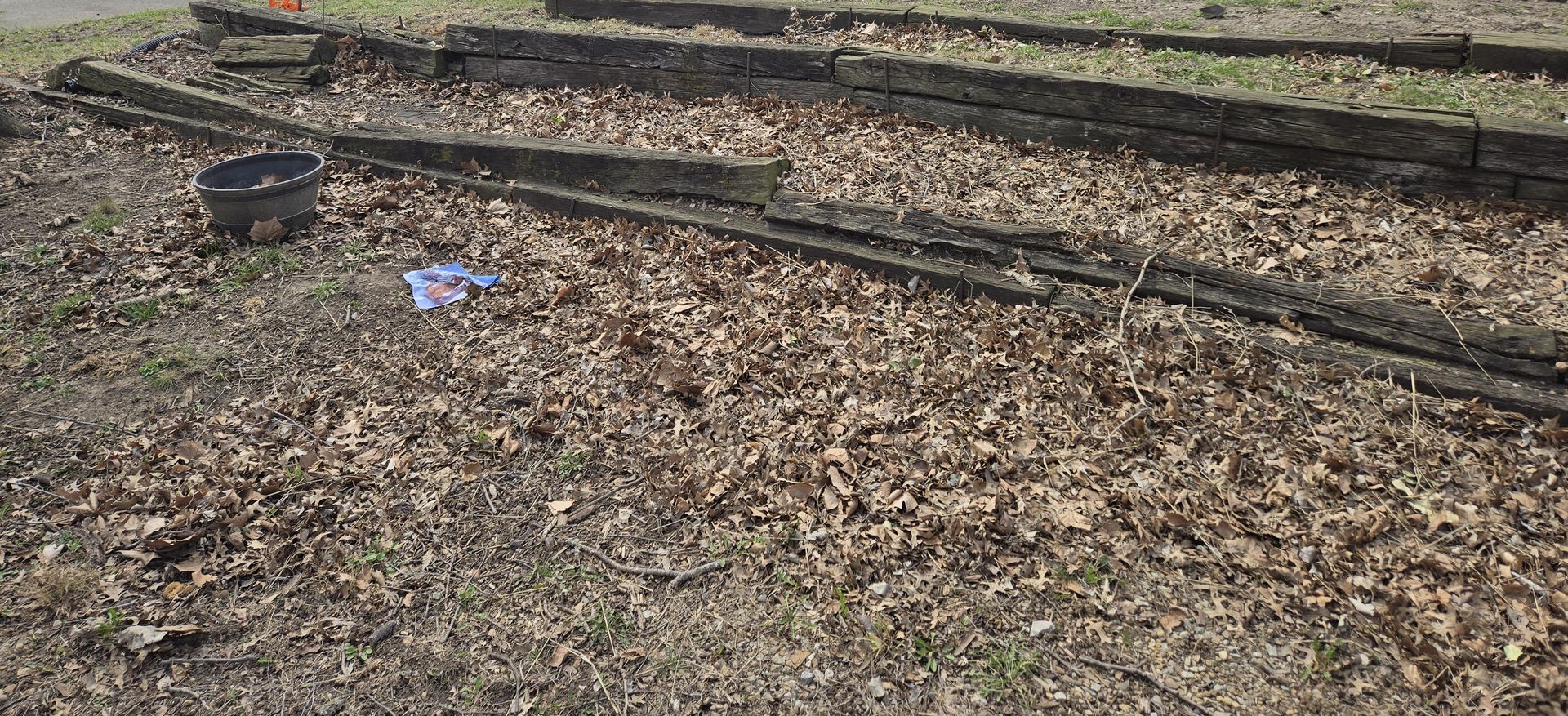
When the same area repeatedly struggles, there may be an underlying site condition affecting the turf.


1. Poor Drainage

Grass needs water. It doesn't need to live in it.

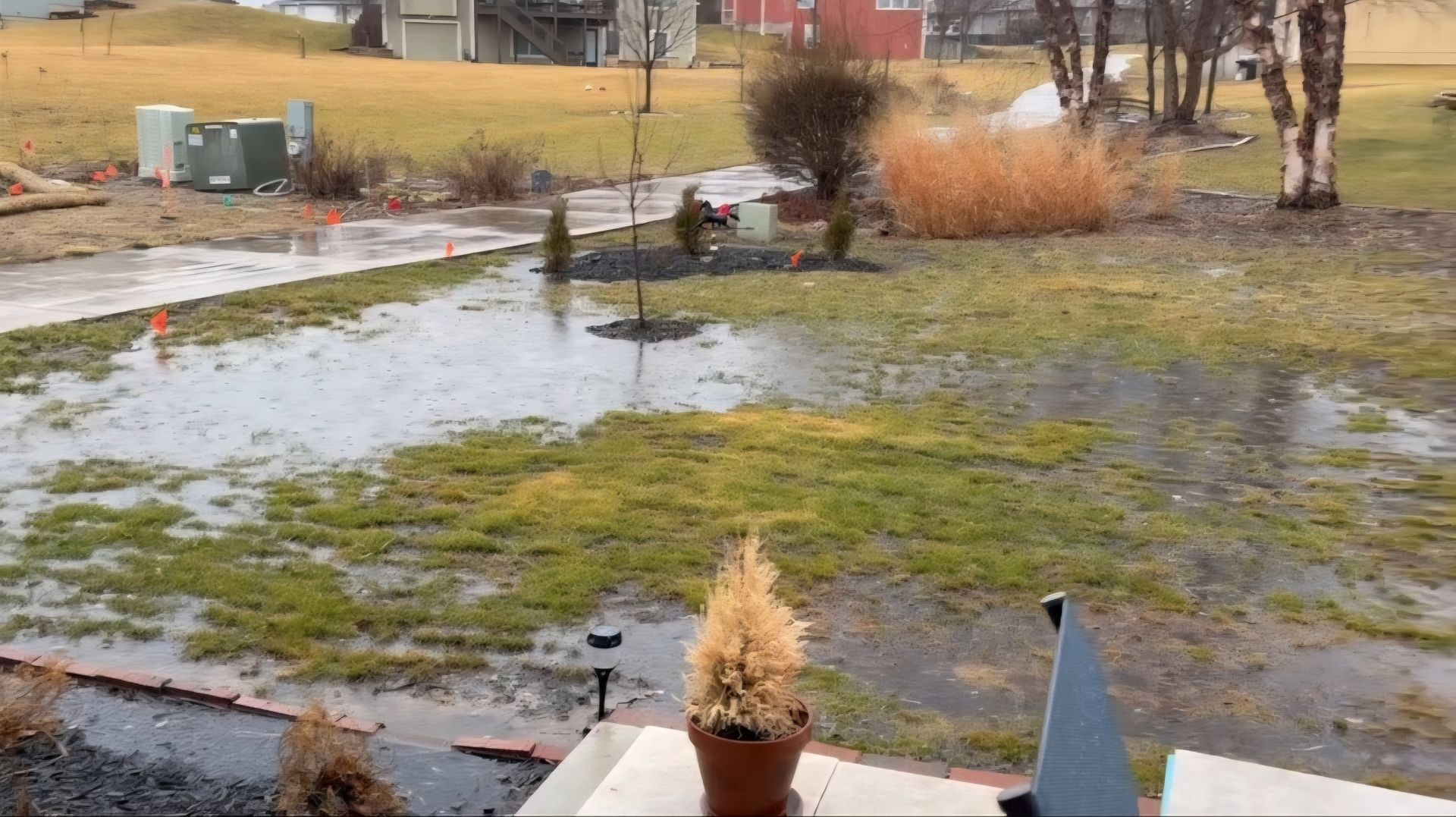
Low areas and poorly draining soils can remain saturated long after surrounding portions of the lawn have dried. Turf roots need oxygen, and prolonged saturation can create an environment where healthy grass struggles to establish.

Signs of a drainage problem can include standing water after storms, persistently muddy soil, thinning grass in low areas, erosion, or water collecting near patios and foundations.

In some situations, the solution isn't more seed.

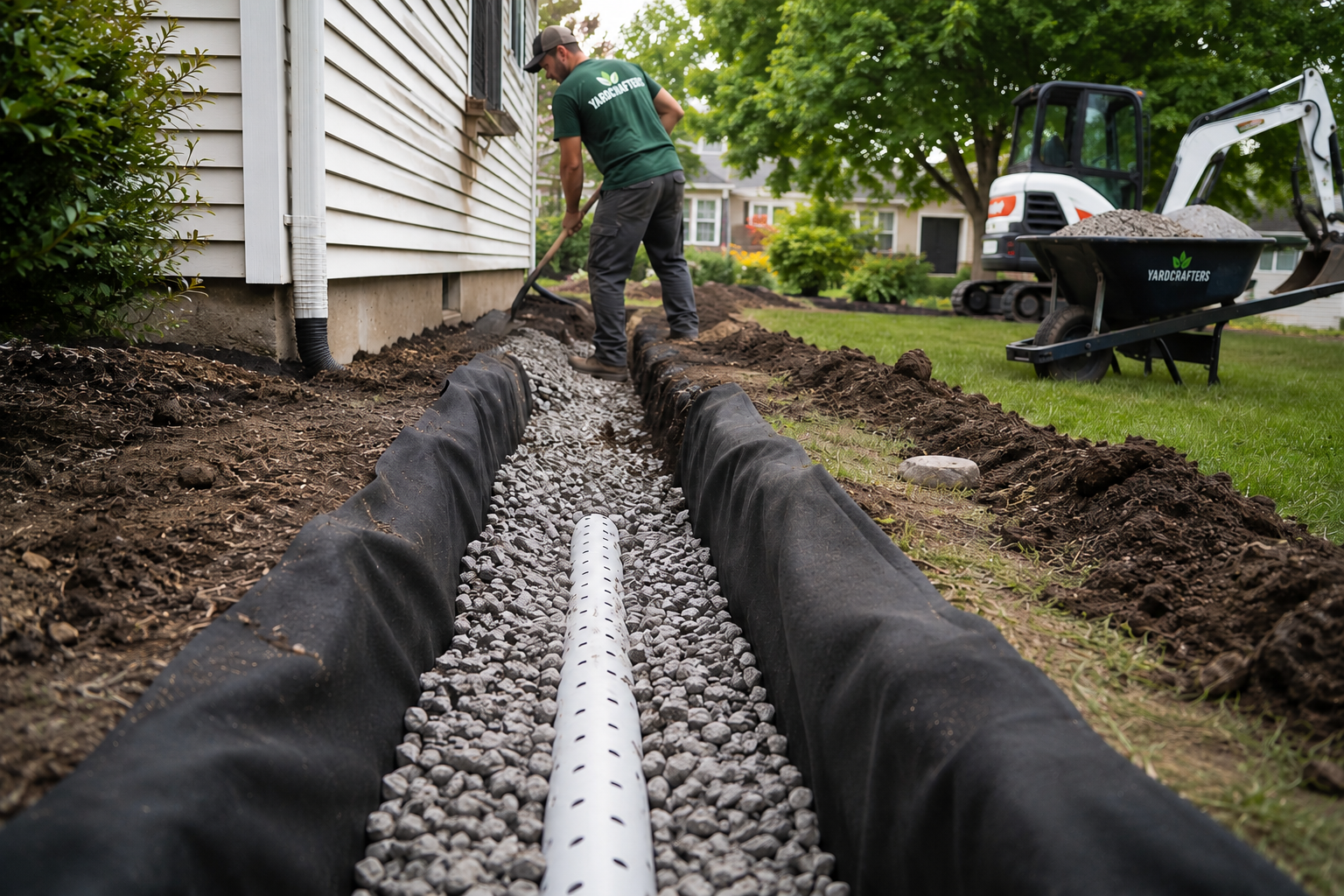
It may involve correcting the way water moves through the property.

Correcting the source of excess water can be more important than repeatedly repairing the turf above it.

Northeast Kansas properties frequently combine clay-heavy soils with intense rainfall events. When water cannot infiltrate or escape efficiently, low areas can remain saturated well after a storm has passed.


2. The Grade Is Sending Water to the Wrong Place

Drainage isn't always a pipe problem.

Sometimes it's a shape-of-the-ground problem.

A property's grade should help move surface water toward appropriate drainage areas. Depressions, settling, construction changes, landscape alterations, and improperly graded patios or beds can redirect water into places it doesn't belong.

You may notice water consistently flowing through one section of lawn, soil washing away, mulch migrating after storms, or turf repeatedly failing along the same drainage path.

Correcting the grade can sometimes solve a problem that fertilizer and grass seed never will.


3. Compacted Soil

If the soil underneath the lawn is heavily compacted, grass roots have a harder time developing.

Compaction can occur from foot traffic, equipment, construction activity, repeated mowing patterns, or naturally dense soil conditions.

K-State notes that core aeration can help relieve compaction and improve air and water movement into the soil.

This is one reason aeration can be valuable before fall overseeding when compaction is actually part of the problem.

But aeration isn't automatically the answer to every struggling lawn.

The important part is determining why the turf is thin in the first place.

PRO TIP

If one section of the yard receives substantially more foot or equipment traffic than the surrounding lawn, compare the soil firmness and turf density between those areas. Repeated traffic patterns can sometimes reveal the problem before any digging begins.


4. Too Much Shade

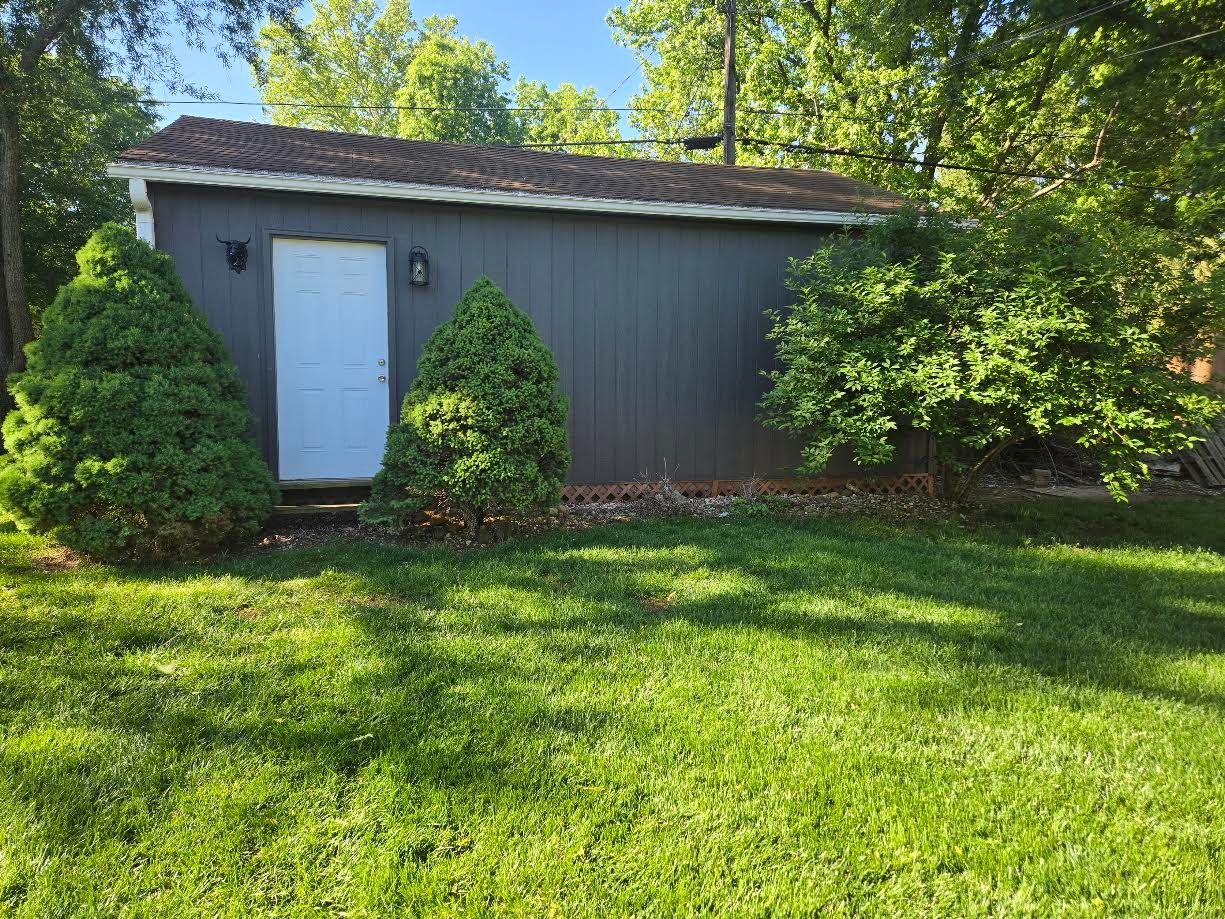
Tall fescue tolerates some shade better than many turfgrasses, but there is still a limit.

As trees mature, an area that grew grass successfully five years ago may receive substantially less sunlight today.

Homeowners sometimes respond by repeatedly adding seed every fall.

The seed germinates.

The grass looks promising.

Then it gradually declines because the site simply doesn't provide enough light to sustain dense turf.

At that point, the better long-term solution may be changing what occupies the area.

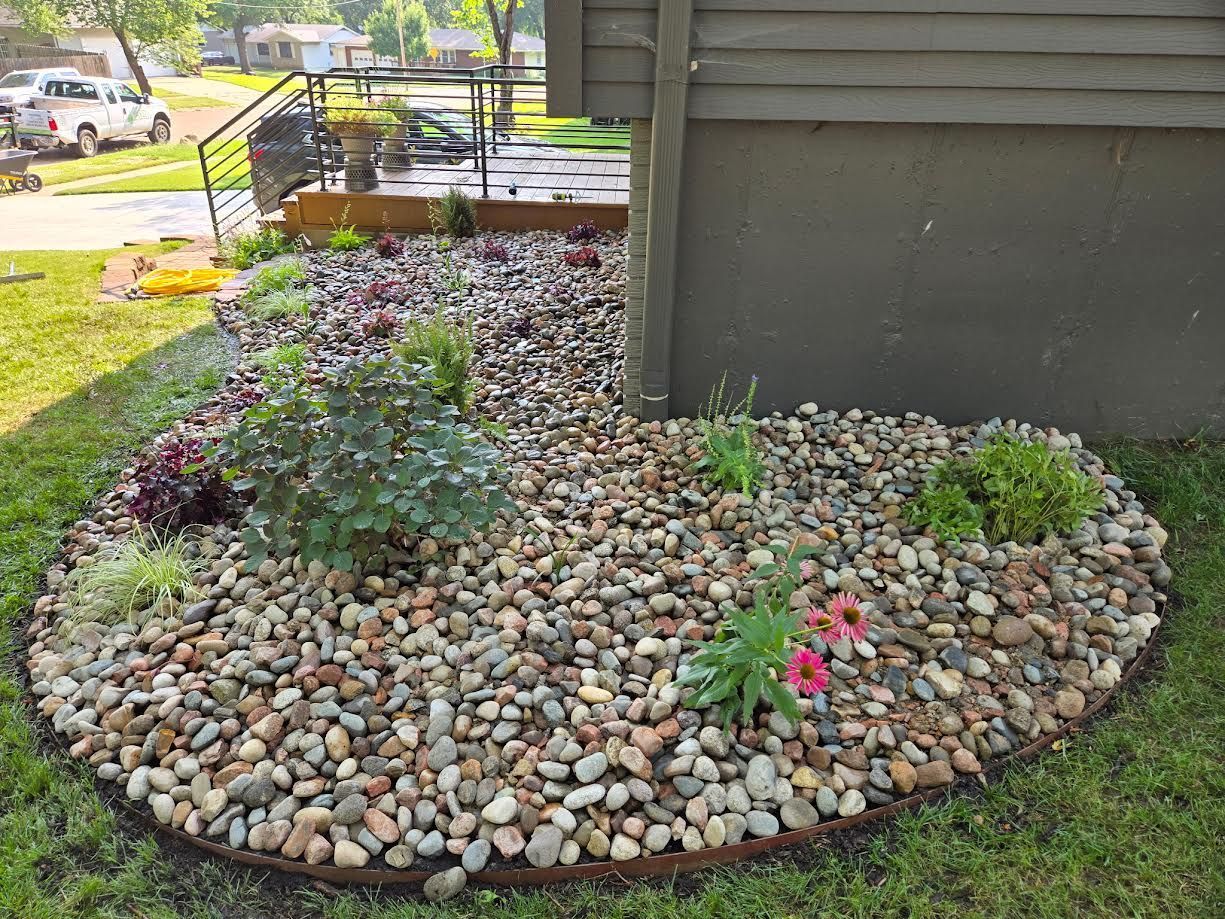
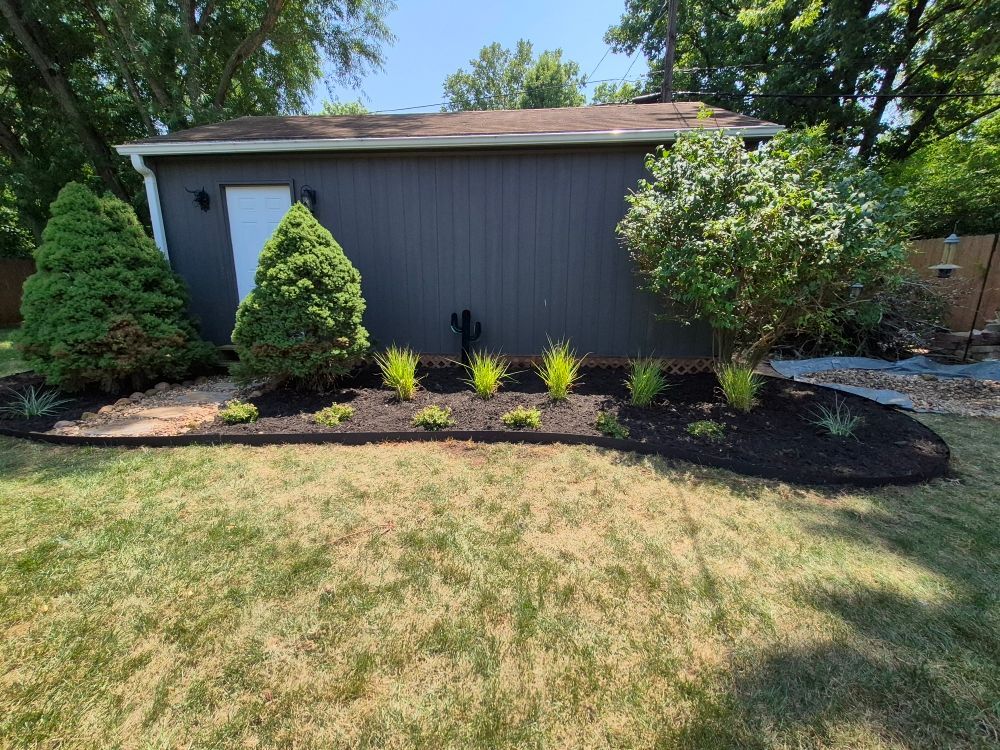
Shade-tolerant landscaping, mulch, decorative rock, or a properly designed planting bed may make considerably more sense than fighting for grass indefinitely.


5. The Soil Itself Isn't Supporting Healthy Turf

Not all soil on a property is equal.

Construction debris, poor-quality fill, shallow topsoil, disturbed soil, or areas that have eroded over time can create very different growing conditions within the same yard.

That's why one portion of a lawn can look excellent while another struggles despite receiving essentially the same mowing, fertilizer, seed, and water.

Depending on the problem, improving the area may involve adding quality topsoil or organic material, correcting the grade, improving drainage, or rebuilding the area before establishing new turf.

Simply covering poor soil with seed doesn't change what's underneath.


6. Traffic Is Fighting the Grass

Sometimes the explanation is straightforward.

Dogs follow the same path.

Kids cut across the same corner.

People walk between the driveway and backyard.

Equipment repeatedly enters through the same access point.

Eventually the lawn tells you where people actually use the property.

If traffic cannot realistically be redirected, designing around that behavior may be more effective than continually repairing turf.

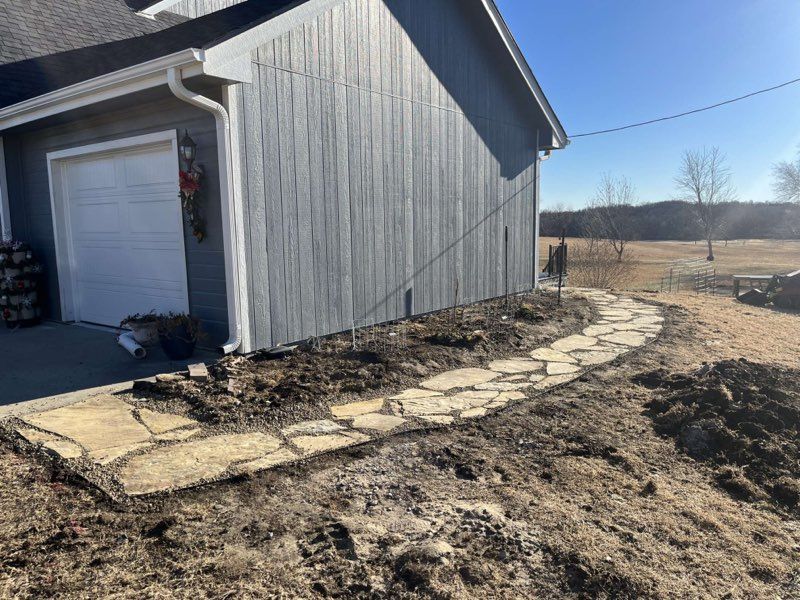
A walkway, stepping stones, expanded patio, or redesigned landscape area can turn an ongoing maintenance problem into something intentional.


7. You're Treating the Symptom Instead of the Cause

This is the big one.

A bare spot is a symptom.

So is standing water.

So is erosion.

So is a retaining wall beginning to move.

The question we want to answer is:

Why is it happening?

A lawn application cannot correct an incorrect grade.

Grass seed cannot repair a drainage system.

A French drain cannot fix every surface-water problem.

And repeatedly replacing turf in an area that should probably become landscaping doesn't make much sense either.

The best solution begins with diagnosing the property before prescribing the work.

IAN'S ADVICE

Before spending money repairing the same area again, figure out why it failed. We would rather identify the actual problem and recommend the appropriate solution than sell a homeowner something that doesn't address the cause.


What Should You Do With a Problem Area?

Start by watching the area.

After the next substantial rain, look at where water enters, where it travels, where it slows down, and where it leaves the property.

Look at sunlight throughout the day.

Think about traffic.

Compare the soil and grade to healthier portions of the lawn.

And look at the history of the problem.

If you've repaired the same section repeatedly, that's useful information.

Sometimes the answer will be straightforward lawn renovation.

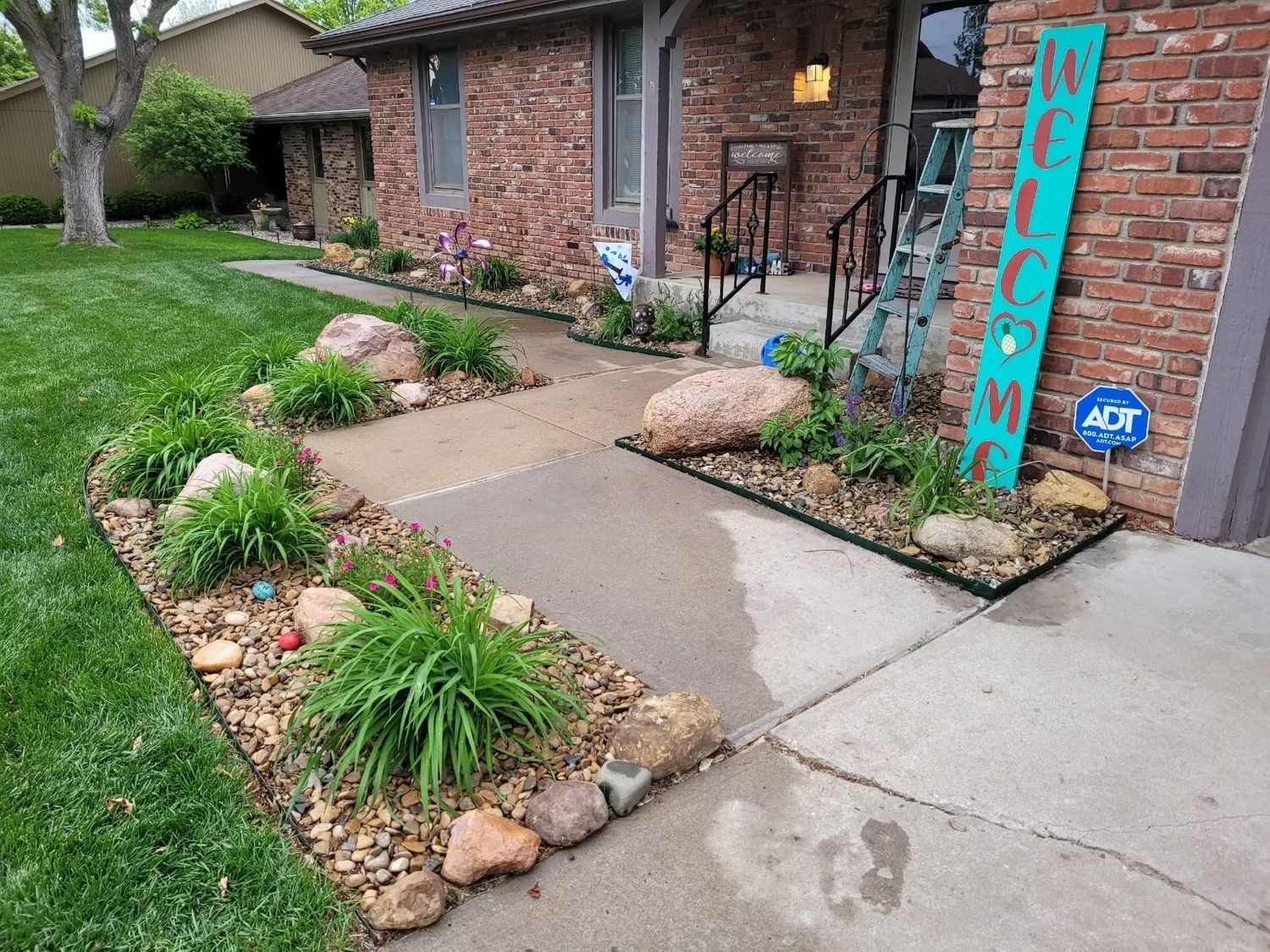
Other times it may be drainage, grading, soil correction, or converting the area into landscaping better suited to the site.

The best solution depends on what's actually causing the area to fail.


Stop Repairing the Same Problem Every Year

If one part of your property never seems to work, you don't necessarily need to keep throwing money at the same solution.

You may simply need to look underneath the symptom.

Yardcrafters helps homeowners throughout Topeka and Northeast Kansas diagnose and correct outdoor problems involving drainage, grading, struggling landscape areas, retaining walls, patios, and turf establishment.

Have an Area of Your Yard That Never Seems to Work?

Send us a photo or schedule an estimate. We'll help determine what may be causing the problem and what options make sense for the property.

CALL: (785) 608-2970
EMAIL: yardcraftersoftopeka@gmail.com
WEBSITE: www.yardcraftersks.com


REQUEST AN ESTIMATE


About Yardcrafters

Yardcrafters LLC is a locally owned lawn care and landscape company serving Topeka and Northeast Kansas since 2016. Our services include landscape design and installation, retaining walls, patios, drainage solutions, grading, lawn establishment, mowing, fertilization and property maintenance.

Our goal is simple: identify what a property actually needs, perform the work correctly, and create outdoor spaces that look better and function better.


Ian Robbins
Owner, Yardcrafters LLC
Topeka, Kansas

Ian founded Yardcrafters in 2016 and works directly with homeowners throughout Northeast Kansas to evaluate landscape, drainage, grading, hardscape and lawn-care projects.

By 7071302842 August 11, 2026
Why August Is the Time to Start Planning Your Fall Lawn in Kansas
By 7071302842 July 21, 2026
Why Waiting Until Next Spring to Fix Your Landscape Could Cost You More
By 7071302842 July 13, 2026
Why Your Landscape Looks Great in May but Struggles by July | Topeka Landscaping Tips
Show More →